Last updated November 20, 2026
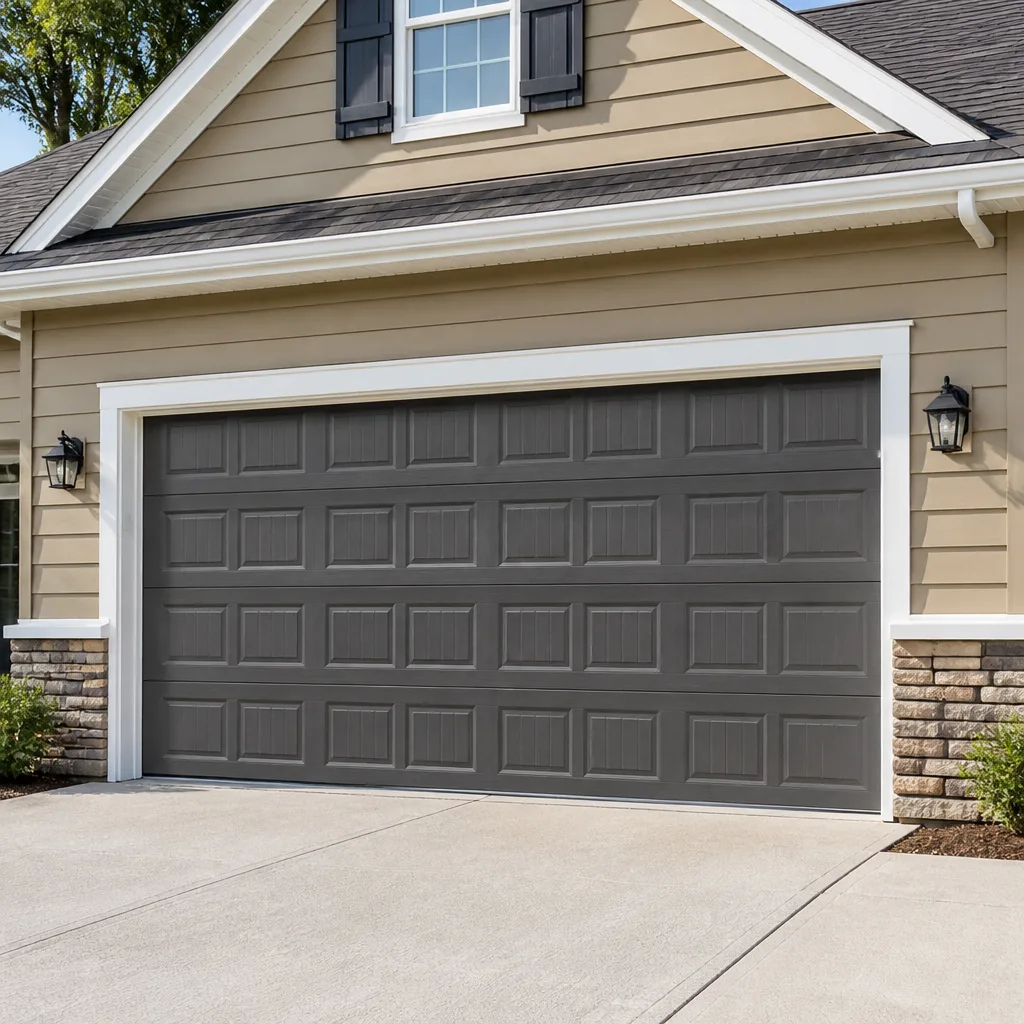 Raised-panel steel
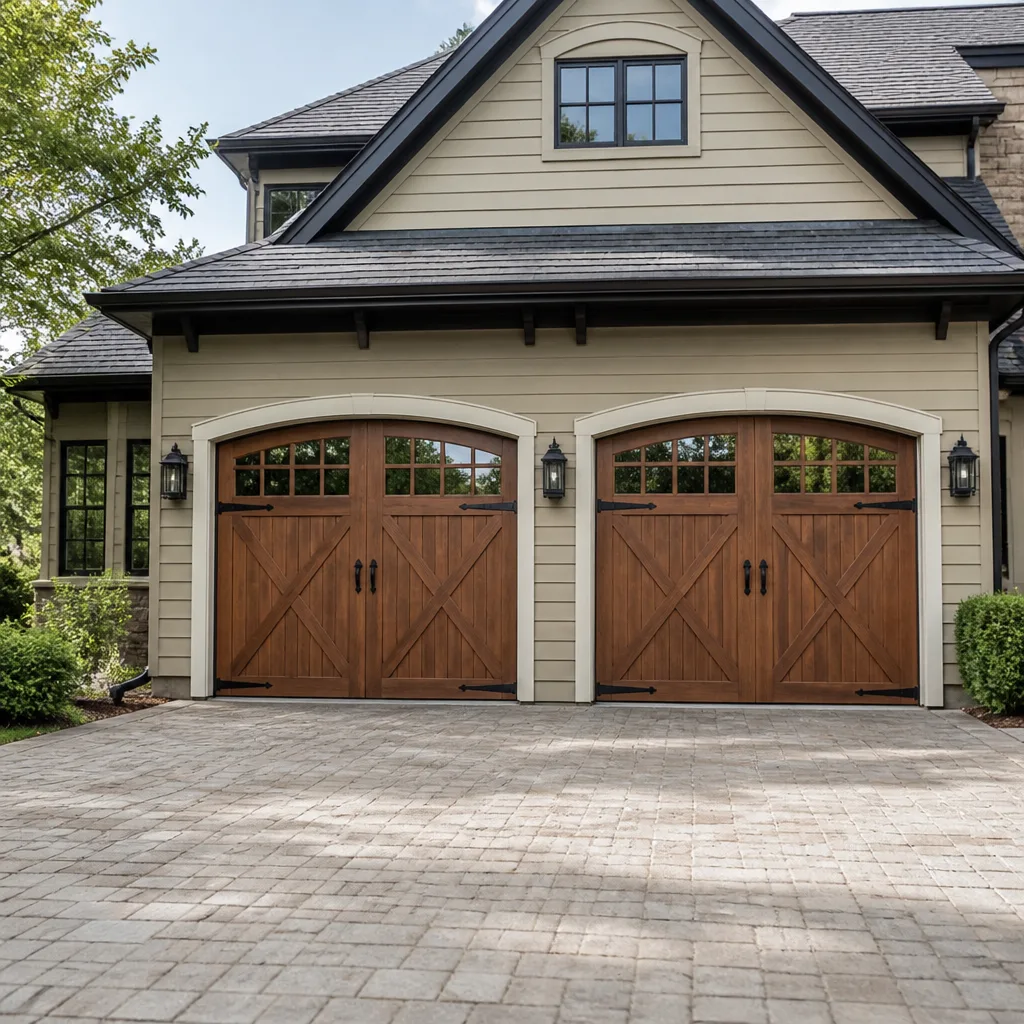 Carriage house
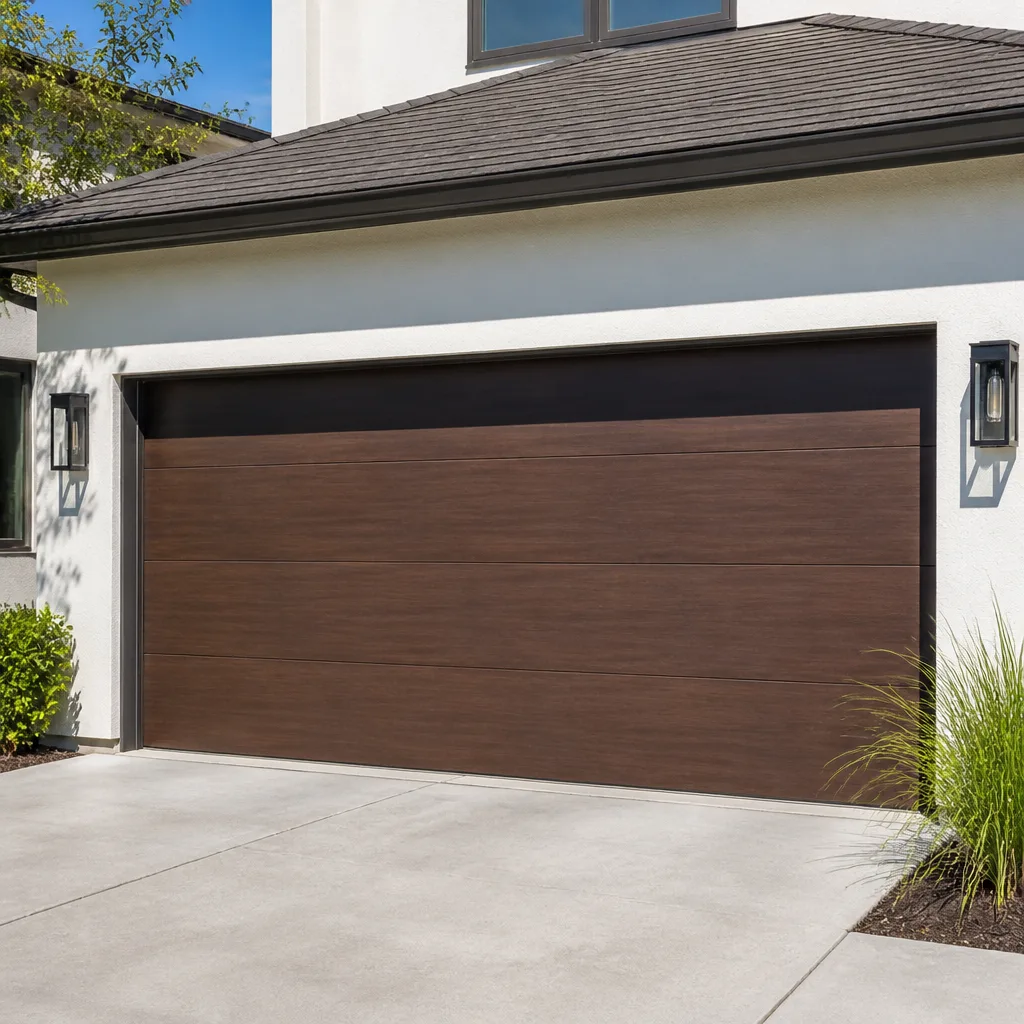 Modern flush
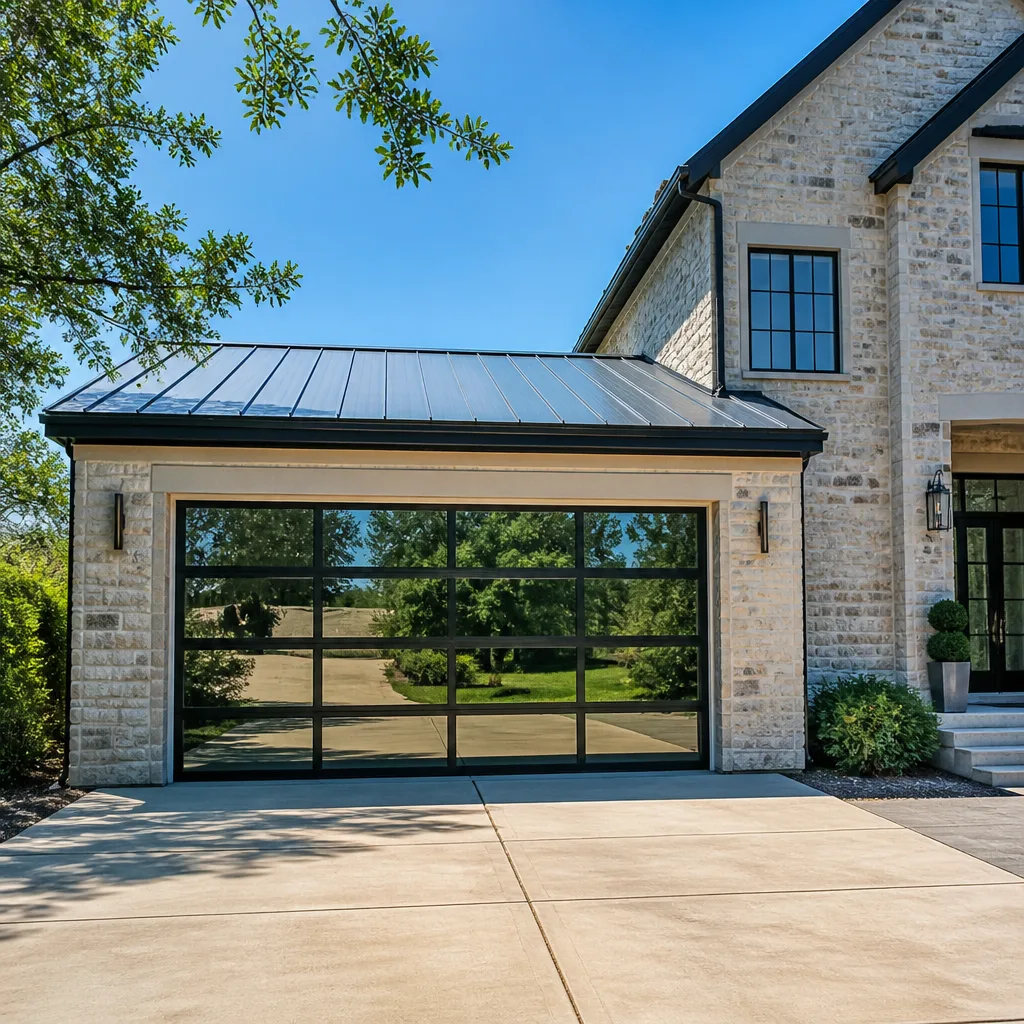 Full-view glass
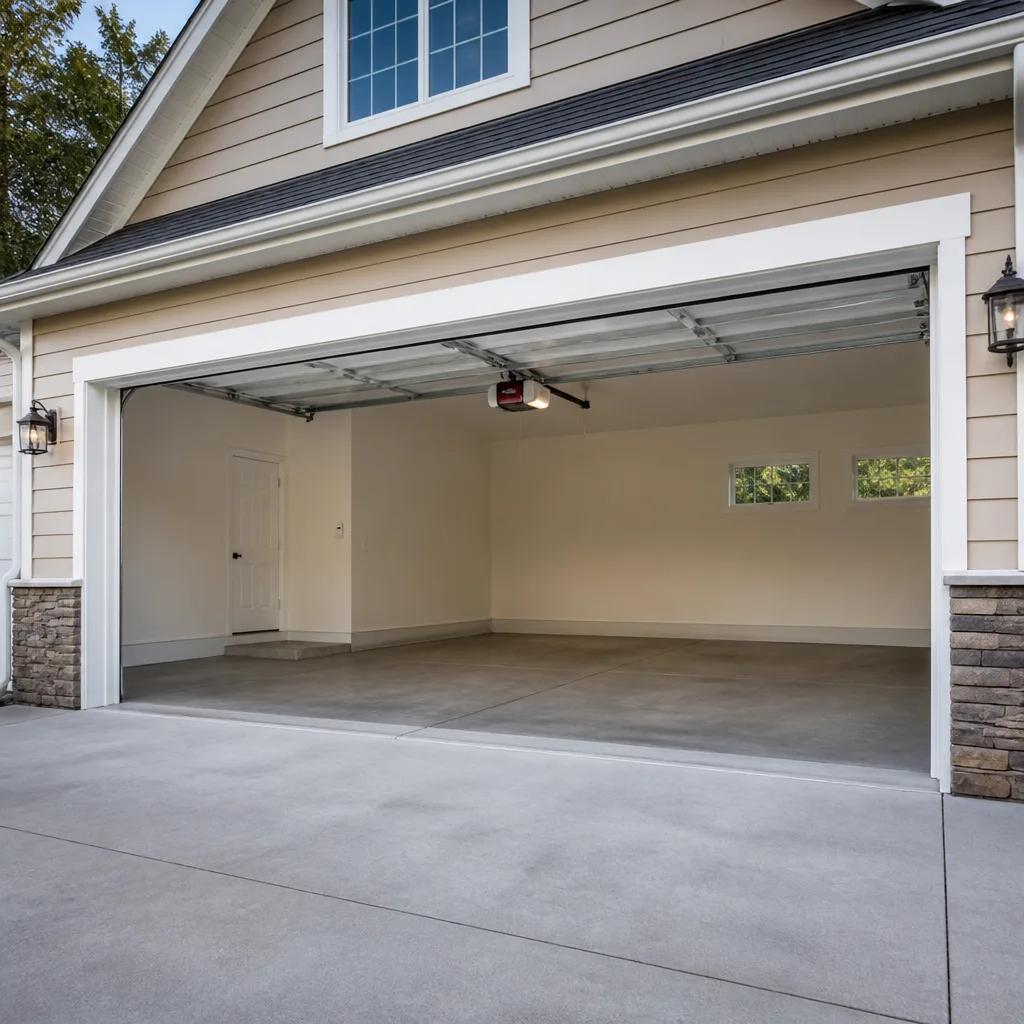 LiftMaster openers
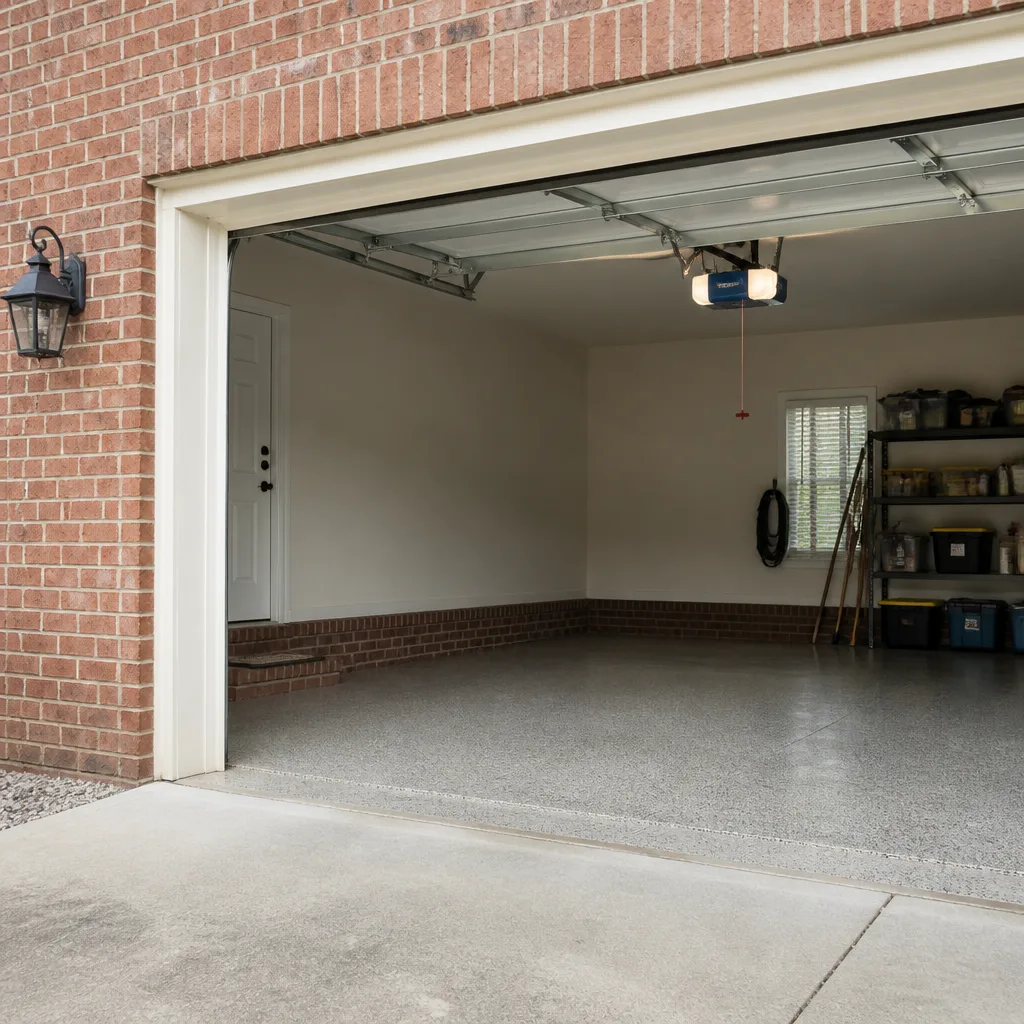 Chamberlain openers
Full 25-point door and opener safety check with every visit - springs, cables, rollers, tracks, and your LiftMaster or Chamberlain opener included
You get a price before we start. It does not change when the pro arrives.
Get your free estimateSeasonal Garage Door Care for Eagle Creek: Year-Round Homeowner’s Guide
Most homeowners in Eagle Creek gear their garage door care around winter. That’s a mistake. Summer is the harder season here, and it’s not close. Direct sun on dark steel panels pushes the metal through expansion cycles that bow sections out of line, humidity swells wood components until they bind, and heat cycling wears drive belt material faster than cold ever does. By the time the first freeze hits, the damage is already set. This guide walks you through all four seasons as four separate failure modes, each with its own checklist, so you’re fixing the right problem at the right time instead of repeating a generic “lubricate and inspect” routine that misses what’s actually happening in Eagle Creek.
Quick Answer
Garage doors in Eagle Creek need seasonal care that shifts with the weather: summer checks for heat-driven panel warp and opener strain, fall prep focuses on sealing and tightening before the freeze, winter care means never forcing a frozen door, and spring is for post-winter inspection ranked by what fails most often. Handle the season-specific tasks before they turn into repairs and most emergency calls never happen.
Styles & brands we work with
- Raised-panel steel
- Carriage house
- Modern flush
- Full-view glass
- LiftMaster openers
- Chamberlain openers
Table of Contents
- Why Eagle Creek Doors Fail Differently by Season
- Summer: Heat, Expansion, and Opener Strain
- Fall: The Highest-ROI Maintenance Window
- Winter: When the Door Won’t Open
- Spring: Post-Winter Inspection Ranked by Failure Frequency
- How to Adjust Limit Settings Seasonally
- The Monthly Checklist That Fits Every Season
- Common Mistakes to Avoid
Why Eagle Creek Doors Fail Differently by Season
A garage door is a system of metal, wood, rubber, and electronics all reacting to the same weather at different rates. Metal expands and contracts, wood swells and shrinks, rubber stiffens and cracks, and the opener’s electronics don’t care about any of it until the door it’s pushing starts fighting back. In a climate that runs hot summers and hard freezes, those materials spend the year pulling against each other.
Eagle Creek sits in a band where that tension never really lets up. Three of the four seasons put real stress on the door, and each one attacks a different part of the system. Summer works the panels and the drive belt. Fall is your window to seal everything before the cold arrives. Winter tests the springs, tracks, and limit settings. Spring exposes whatever the winter loosened.
That’s why a single maintenance routine doesn’t cover it. A door that’s fine in July can bind in January, not because something broke, but because the seasons changed what fits. When we look at a door for garage door repair Eagle Creek, the first thing we check is whether the problem is a failed part or a seasonally misadjusted system. Often it’s the second one, and it’s fixable without replacing anything.
The goal of this guide is to help you see which season is working on your door right now, and what that season tends to break first.
Summer: Heat, Expansion, and Opener Strain
Summer is the season that quietly does the most damage to Eagle Creek garage doors. Dark metal panels facing south or west absorb heat all afternoon, expand against their fasteners, and cool again overnight. Over weeks of that cycle, panels can bow, seams can open, and the door stops sitting flush in its frame.
Here’s how to check for heat-driven panel distortion:
- On a hot afternoon, stand inside the garage and look across the door from the side. Any panel with a visible curve against the light is showing expansion stress.
- Run a hand along the seams. A gappy or uneven seam line on an otherwise straight section usually means the panel has shifted.
- Open and close the door slowly by hand. If it binds at one spot near the middle of travel, the panels may be pressing against the tracks when warm.
- Listen for a grinding or scraping sound at the same point every cycle. That’s metal-to-metal contact from expansion, not a lubrication problem.
The opener takes a beating in summer too. Heat cycling degrades drive belt material faster than cold does, and a belt that was tensioned in spring can loosen by August. If your opener sounds louder or cycles rougher as the summer goes on, a belt or drive inspection is usually the answer. That’s one reason we treat garage door opener repair as its own service rather than an afterthought to door work.
Wood components, on doors that have them, are the other summer casualty. Humidity swells wood until it binds against metal frames. If the bottom section of your door swells and sticks in the heat, that’s a humidity problem, not a track problem.
Fall: The Highest-ROI Maintenance Window
Fall is the single most valuable maintenance window on the Eagle Creek calendar. The work you do in the moderate weeks before the first freeze prevents the failures that show up in January. Skip it and you’ll be calling someone in the cold.
The priorities, in order:
- Replace the bottom seal. The rubber bottom seal is what keeps cold air, moisture, and pests out. A cracked or hardened seal lets water freeze under the door, which is one of the most common reasons a door sticks in winter.
- Tighten all track and hinge hardware. Bolts loosen over a summer of thermal cycling. A loose hinge bracket becomes a bent track once the metal gets cold and brittle.
- Lubricate the springs, hinges, and rollers with a proper garage door lubricant. Not WD-40, which attracts dirt. A lithium or silicone-based product stays effective through the cold.
- Test the balance. Disconnect the opener and lift the door halfway. It should stay put. If it drops, the springs are losing tension and won’t survive the winter load.
- Check the weatherstripping around the frame. Gaps let cold air in and heat out, and they put extra strain on the opener every cycle.
- Confirm the safety reverse works. Cold and ice can change how the door seats, and a reverse that failed over summer is a real safety concern once winter arrives.
Do this in the window between the heat breaking and the first hard freeze and you’ll cut your winter repair risk substantially. We’ve seen it over and over: the doors that go through winter without trouble almost always got a fall check.
Winter: When the Door Won’t Open
When a garage door won’t open in sub-zero temperatures, the worst thing you can do is hold the opener button down and hope. Forcing a frozen door strains the opener’s gear assembly, stretches the belt or chain, and can strip the drive. The door won’t open, and now you’ve broken the opener too.
Here’s what to do instead:
- Stop the opener. Release the button. Let the system rest.
- Check the bottom seal first. Frozen moisture under the door is the most common cause. If the door is stuck at the bottom, it’s frozen to the floor.
- Look at the tracks for ice. Ice in the track on the cold side of the door is the second most common cause. Warm the track with a hair dryer on low, never a torch or open flame.
- Release the opener and try the door by hand. Pull the manual release cord and lift gently. If it moves, the opener or limit setting was fighting the door. If it won’t move at all, something is frozen or a spring has failed.
- Don’t force it if it’s the spring. A spring that won’t lift in the cold is either fatigued or frozen in its winding. That’s a job for a trained professional, not a homeowner with a winding bar.
Springs carry enormous tension, and the cables that run alongside them are under the same load. Handling either one without the right tools and training is how serious injuries happen. We do spring repair as a dedicated service for exactly this reason: it’s the most dangerous and most mishandled job on the whole door, and brand-specific knowledge matters because the tensioning setup differs by manufacturer. LiftMaster and Genie systems in particular have their own spring and cable configurations. If your door won’t lift in the cold, call rather than force it.
Spring: Post-Winter Inspection Ranked by Failure Frequency
Spring is when you find out what winter did. But don’t work through an alphabetical checklist. Inspect in order of how often things actually fail.
- Springs. The most common post-winter failure by a wide margin. Check for gaps in the coils, a stretched spring that hangs loose, or a door that feels heavy on the way up. Fatigue and freeze cycles are the main causes.
- Bottom seal and weatherstripping. Cold cracks rubber. A seal that survived fall often doesn’t survive a hard winter. Look for cracks, gaps, and any spot where the seal no longer touches the floor.
- Tracks for misalignment. Ice and thermal movement can knock a track out of plumb. Look for dents on the inside edge, where rollers would catch.
- Rollers and hinges. Cold-stiffened rollers flat-spot. Hinges loosen. Run the door by hand and listen.
- The opener’s drive and limit settings. After a winter of strained cycles, the opener’s travel limits and force settings often need resetting. Belt and chain tension may need attention too.
- Panels and the frame. Check for new dents, warping, or a door that no longer seats flush. Storm and impact damage from winter debris shows up here.
Hail is uncommon in Eagle Creek, so the damage you’re looking for is more often from blown debris and freeze-thaw movement than from ice falling out of the sky. Rank the inspection this way and you’ll catch the expensive problems before they cascade.
How to Adjust Limit Settings Seasonally
Limit settings tell the opener where the door should stop at the top of its travel and where it should reverse near the bottom. Because metal and belts expand and contract with temperature, a limit set perfectly in July can be wrong by January. A door that stops short at the top in winter, or reverses for no apparent reason, is usually a seasonally drifted limit, not a broken opener.
The adjustment process is similar across the common brands, though the exact location of the controls varies:
- Find the limit controls. On LiftMaster and Chamberlain openers, they’re usually the up and down arrow buttons or a pair of screws on the side panel, depending on the model. On Genie, they’re typically dials or slotted screws on the back or side. On a Craftsman, look under the light cover or on the rear panel.
- Run the door and watch where it stops. Note whether it stops short of the floor or hits and reverses.
- Adjust in small increments. A quarter turn or one button press at a time. Test after each change.
- Set the close limit so the door seats firmly against the seal without bowing the bottom panel. Too tight and you’ll stress the panels in warm weather; too loose and the door doesn’t seal in cold.
- Set the open limit so the door clears the header without slamming. Recheck the safety reverse after any change.
- Recheck the limits once each season, because what’s right in one temperature band isn’t right in another.
If you’re not confident reading the controls, or if adjustment doesn’t solve the behavior, the opener may be failing rather than misadjusted. We work on your brand across the major opener makes, so a diagnosis doesn’t require guesswork, and our technicians have up to 15 years of experience with these systems.
The Monthly Checklist That Fits Every Season
Between the seasonal work, a few minutes once a month keeps a door honest. These checks don’t change with the season and they catch problems early, whatever the weather is doing.
- Listen as it cycles. Any new noise (grinding, scraping, rattling) is a signal. Note where in the travel it happens.
- Test the safety reverse. Put a piece of wood on the floor in the door’s path and close it. The door should reverse on contact.
- Look at the springs. A quick visual for gaps or sagging takes seconds.
- Check the hardware by hand. Give the hinges and brackets a light tug. Loose means loose.
- Look for gaps at the bottom seal. Any light coming under the closed door means the seal is due.
None of that requires tools or a ladder. It’s just paying attention. Most of the repairs we handle for Eagle Creek homeowners start as something that would have been visible a month earlier.
For doors getting on in years, those monthly checks will eventually turn up something a repair can’t fix. When the panels are warped beyond adjustment or the opener is out of life, that’s the point to look at garage door installation, and a free measure and written price will tell you where you stand before you commit to anything.
Common Mistakes to Avoid
- Treating winter as the only threat. Summer heat does more cumulative damage to panels and openers than cold does. If you only prep for winter, you’re already behind by fall.
- Holding the opener button when the door is stuck. This is the single most common way a small winter problem becomes a stripped opener drive. Stop and find out why before you try again.
- Using WD-40 on springs and hinges. It attracts dust and doesn’t hold up through a hard freeze. Use a proper garage door lubricant.
- Skipping fall because the door “seems fine.” The fall tasks are preventive, not corrective. A door that feels fine in October is the one you want to seal before January.
- Attempting spring work yourself. Springs and the cables beside them are under enormous tension. Forgetting the warning here is how injuries happen. This is a trained-professional job, always.
- Ignoring limit drift between seasons. A door that stops short in cold weather or reverses in humidity often just needs its limits reset. Calling it a breakdown wastes money on an unneeded repair.
- Running an out-of-date door through another year. An old door with warped panels and a tired opener isn’t going to be saved by a tune-up. Know when to repair and when to replace.
See the difference
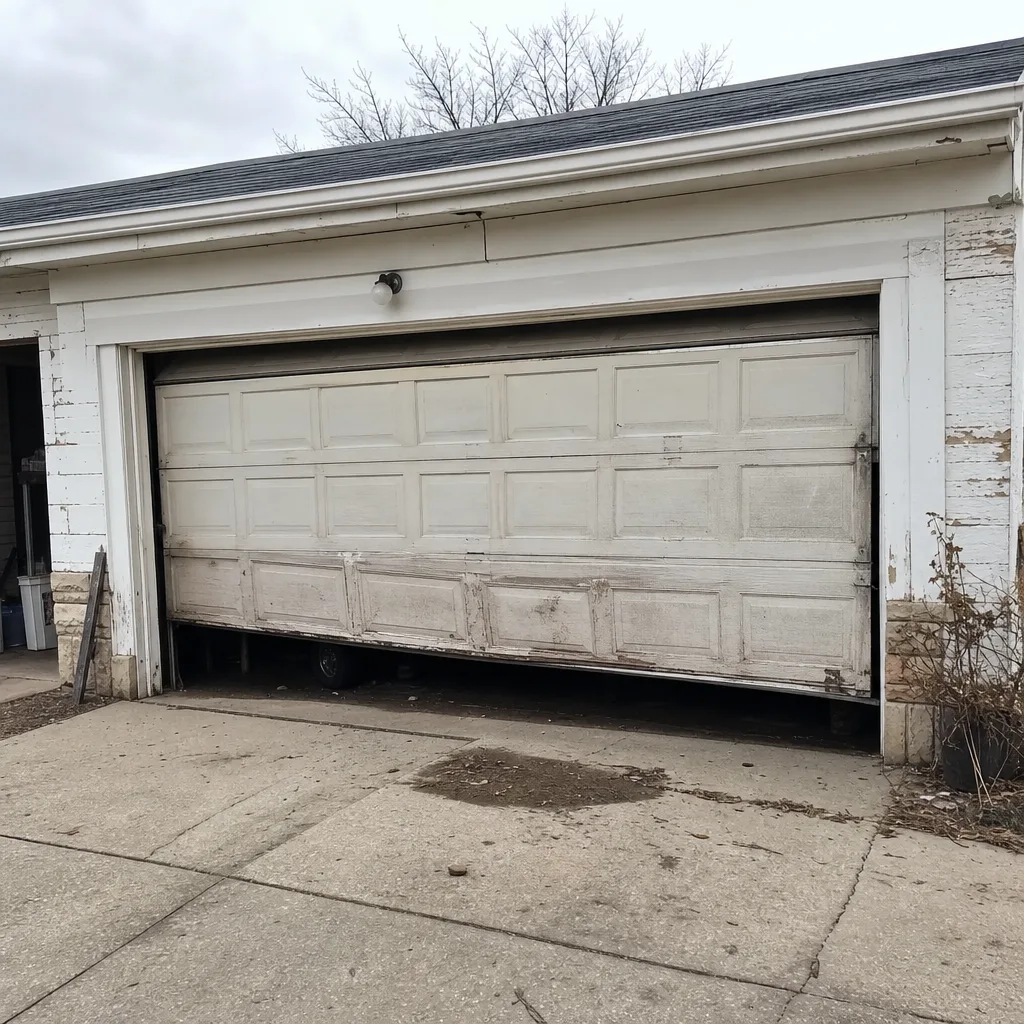 Before
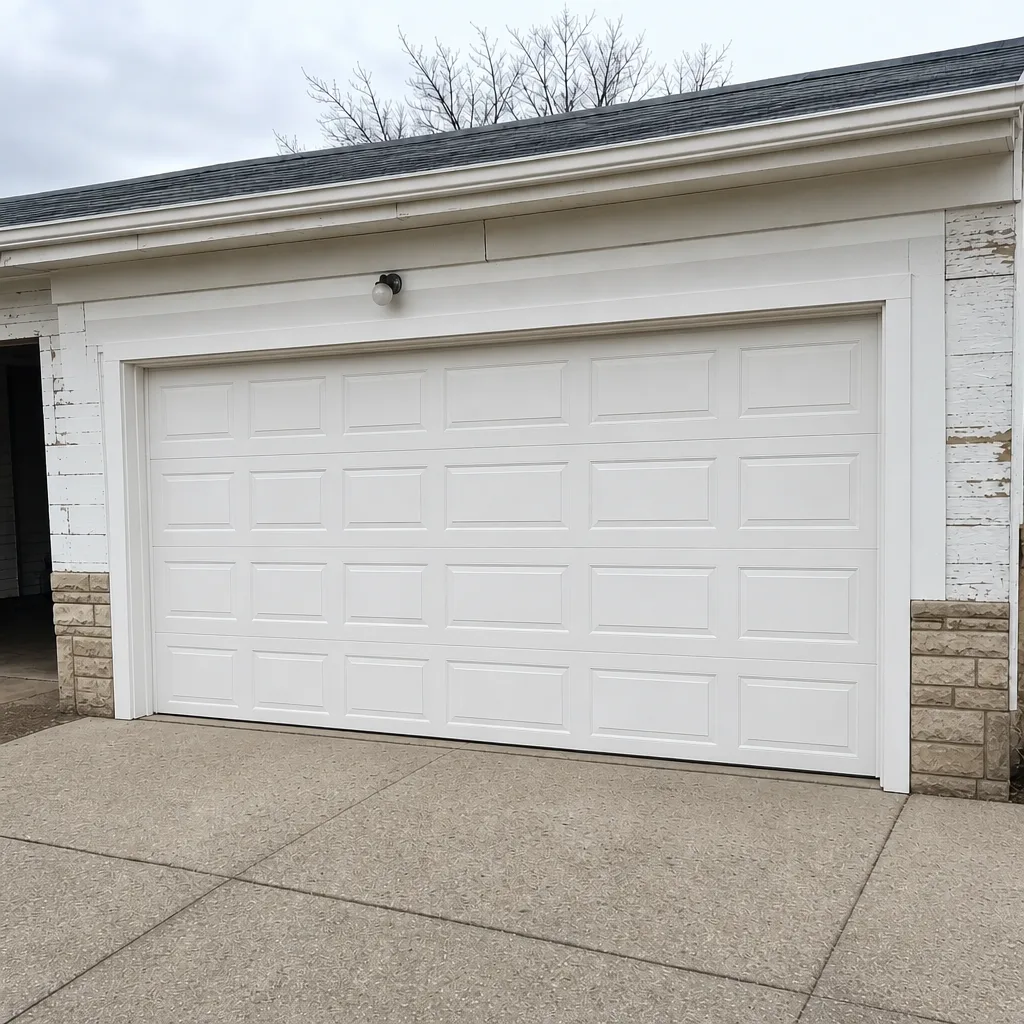 After
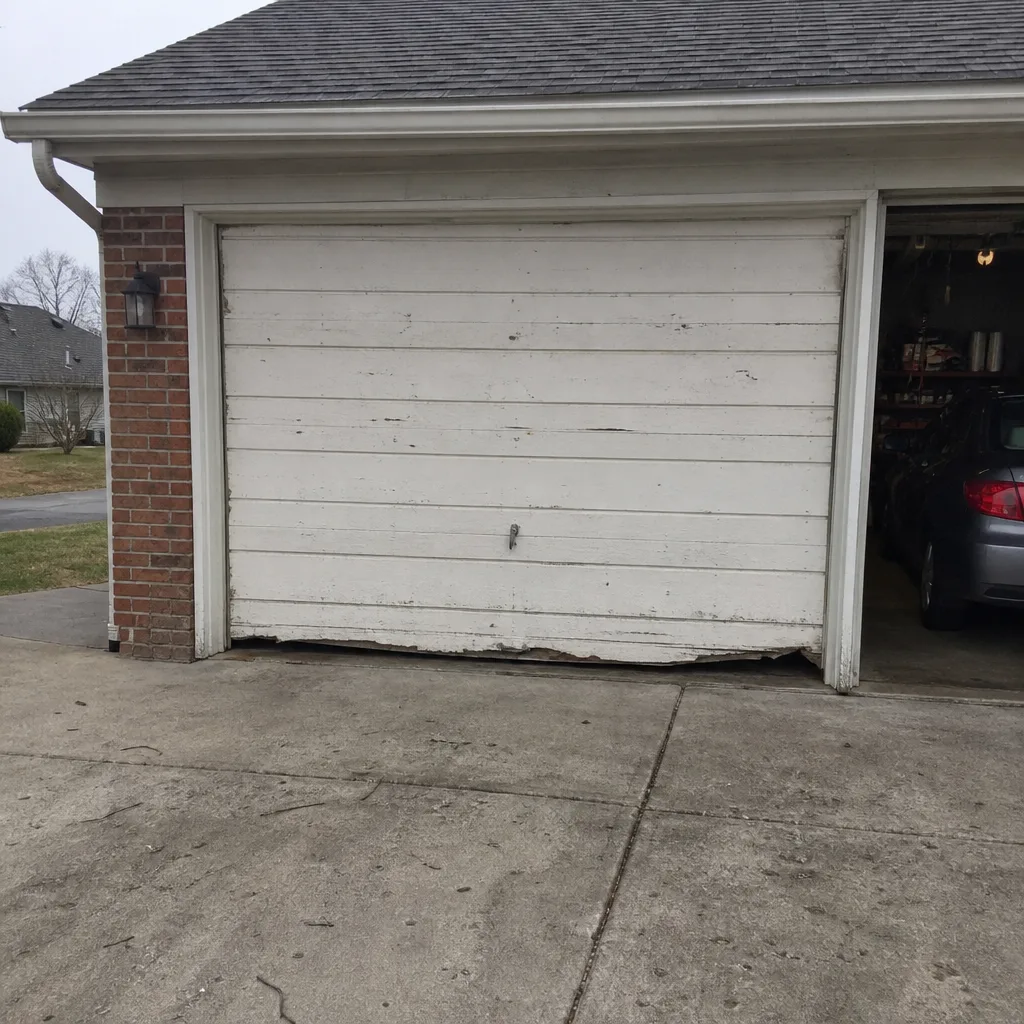 Before
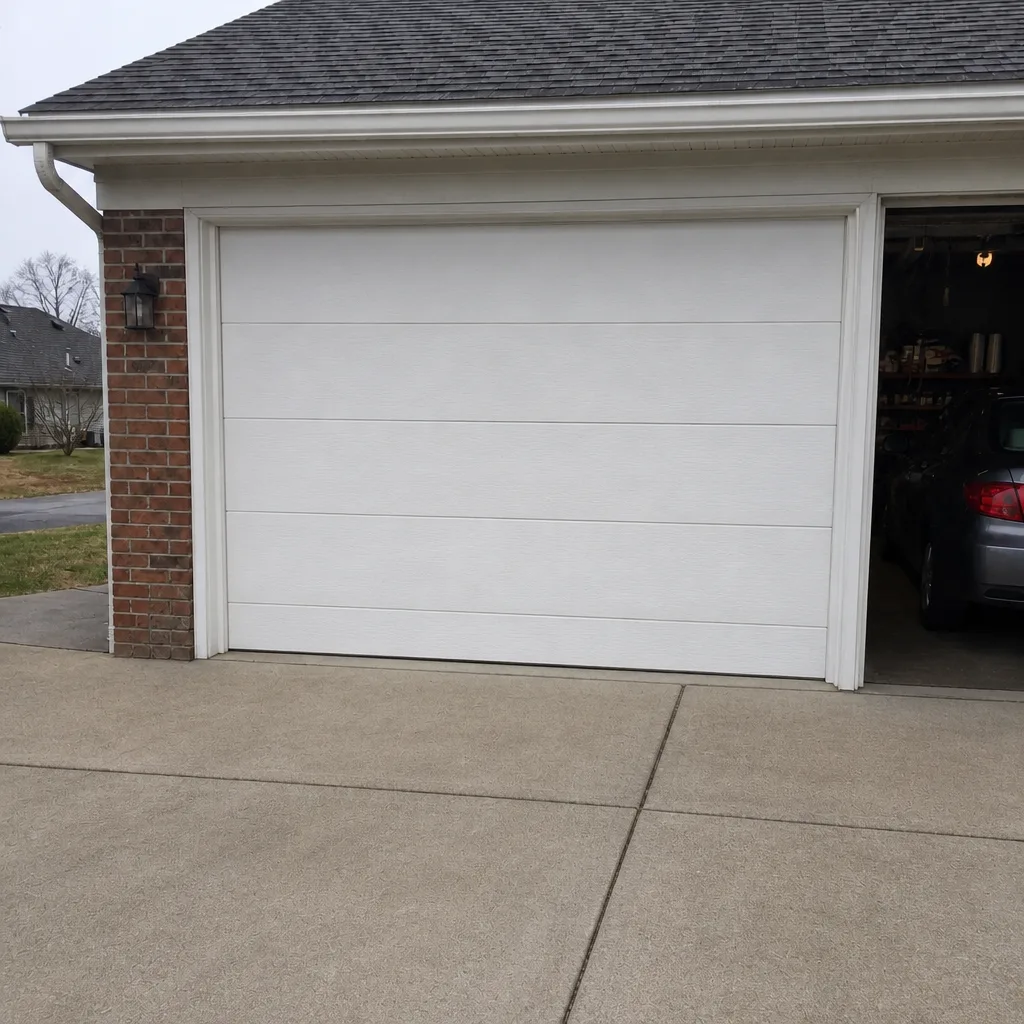 After
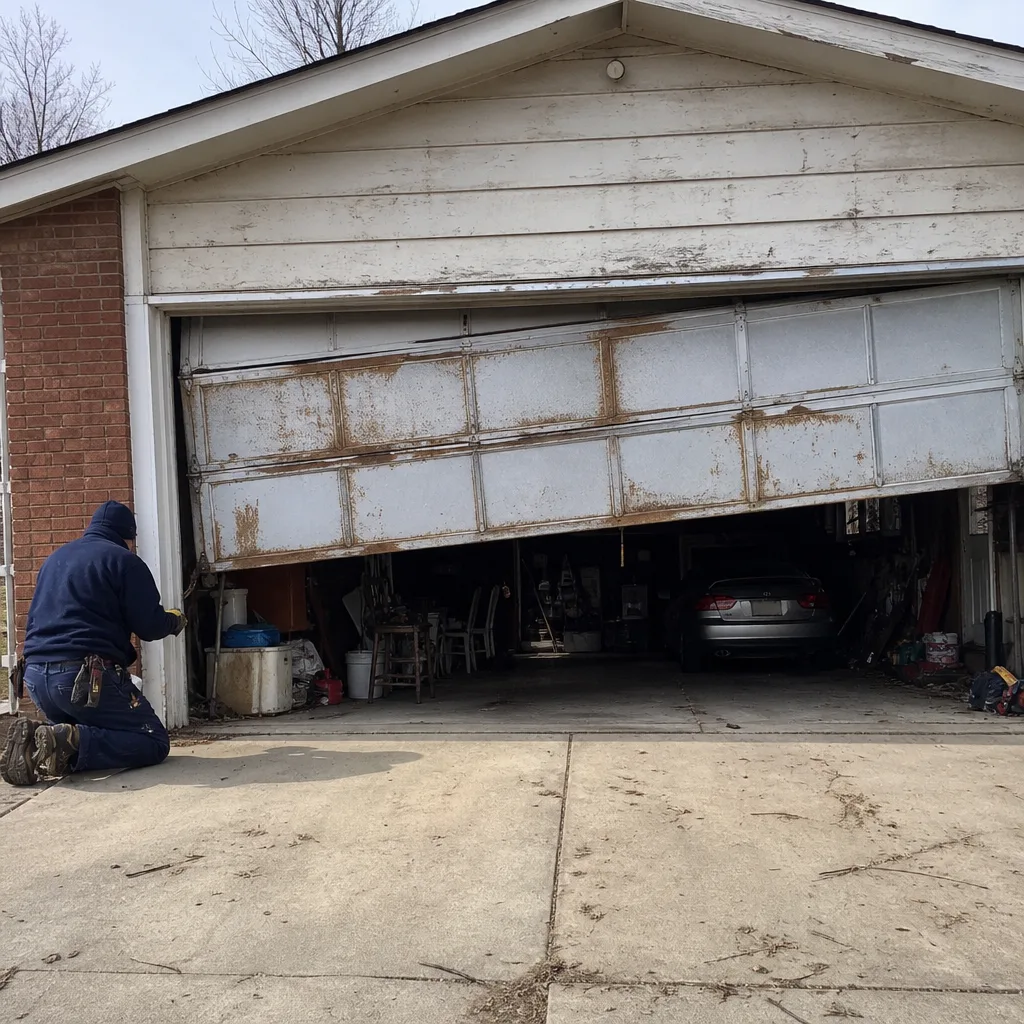 Before
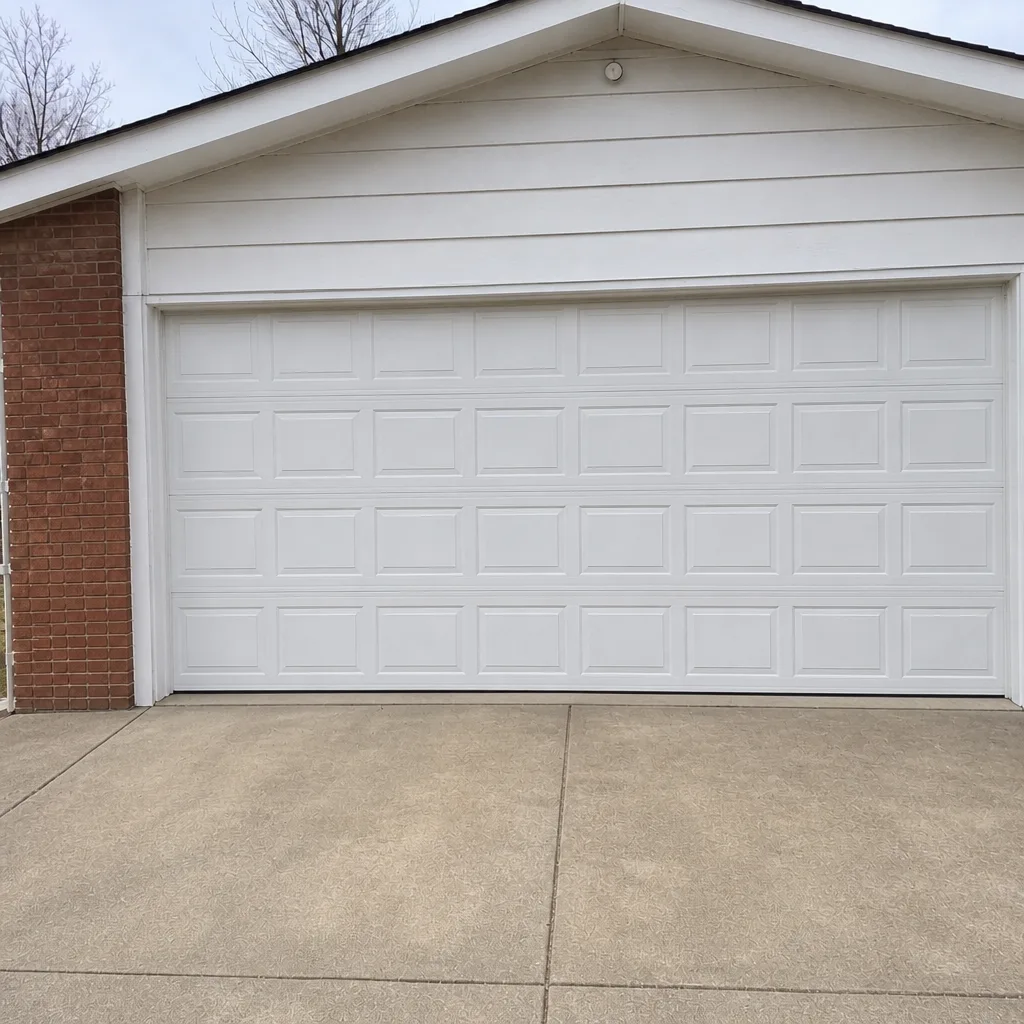 After
When to Call a Professional
Some of this guide you can handle yourself: monthly listening, visual spring checks, and adjusting limit settings within reason. Some of it you shouldn’t. Call us when a spring has failed or a door won’t lift, when the opener strips, grinds, or reverses for no clear cause, when a track is visibly bent, when winter freeze-up turns out to be a hardware failure rather than ice, or when you’re at the point of deciding between garage door repair and a new door. We offer free estimates in Eagle Creek, and we can work on virtually any system from the eight major manufacturers we’re trained on. Call (844) 935-1938 to get a technician scheduled, and the price is quoted and agreed before any work starts.
Frequently Asked Questions
Fall is the highest-ROI window. The work you do before the first freeze (sealing, tightening, lubricating, and testing balance) prevents the winter failures that lead to emergency calls. Summer matters too, but fall is when the preventive tasks pay off most in this climate.
Heat causes metal panels to expand and wood components to swell, so the door can bind against its tracks. Drive belts also loosen in summer heat. If the door works fine in cool weather and binds in the heat, the cause is thermal expansion, not a broken part. Call (844) 935-1938 for an exact quote if a limit reset doesn’t solve it, and estimates are free.
No. Forcing it strains the opener and can strip the drive or stretch the belt. Check for a frozen bottom seal or ice in the tracks first, then release the opener and try the door by hand. If it still won’t move, something is frozen or a spring has failed, and that needs a professional.
Recheck them once each season. Temperature swings change how far the door travels, so a limit that’s right in July can be wrong in January. A door stopping short in cold weather or reversing in humidity usually just needs the limits reset, not a new opener.
A seasonal tune-up and lubrication is the lower-cost end of the range; repairs for springs, openers, or panels run higher depending on the part and brand. The written estimate sets the final price, and we quote and agree before any work starts. Call (844) 935-1938 for a free estimate.
No. We quote and agree on the price before any work starts, so the written estimate is what you pay. If we open the door up and find something additional, we’ll tell you before proceeding, never after.
The Bottom Line
Eagle Creek garage doors fail by season, not by accident, and each season brings a different problem. Summer heats panels out of alignment and strains openers. Fall is your best window to seal and tighten before the cold. Winter punishes a forced door and a tired spring. Spring reveals what the winter loosened. Work the seasonal tasks in order, respect the danger of springs and cables, and most of this year’s repairs won’t happen next year. The doors that last are the ones that get attention before the weather changes, not after. When something’s beyond a check or a limit reset, the team at Garage Door Repair Eagle Creek is a call away at (844) 935-1938.
Call (844) 935-1938 for a free estimate from Garage Door Repair Eagle Creek. We handle spring repair, opener repair, door installation, and parts, we work on your brand, and we quote the price before any work starts.
Written by the team at Garage Door Repair Eagle Creek.