Last updated November 20, 2026
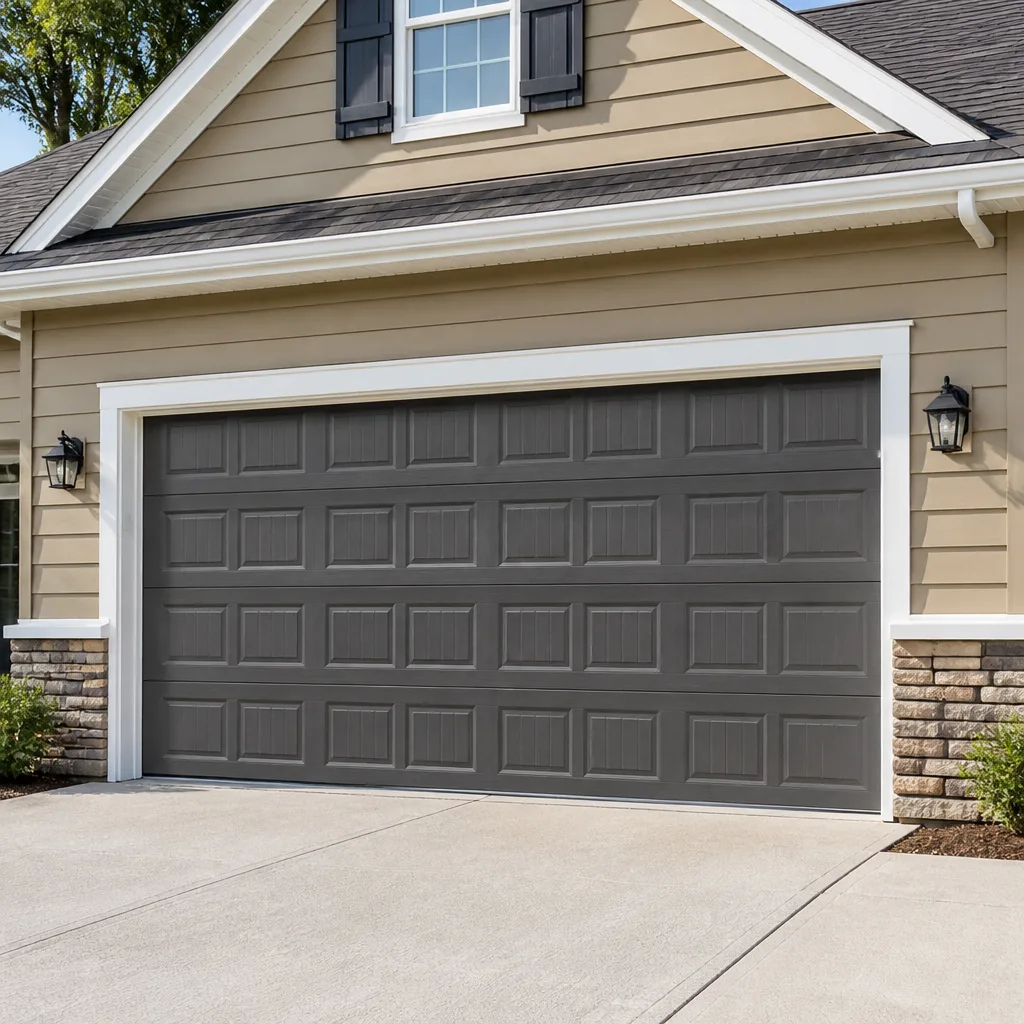 Raised-panel steel
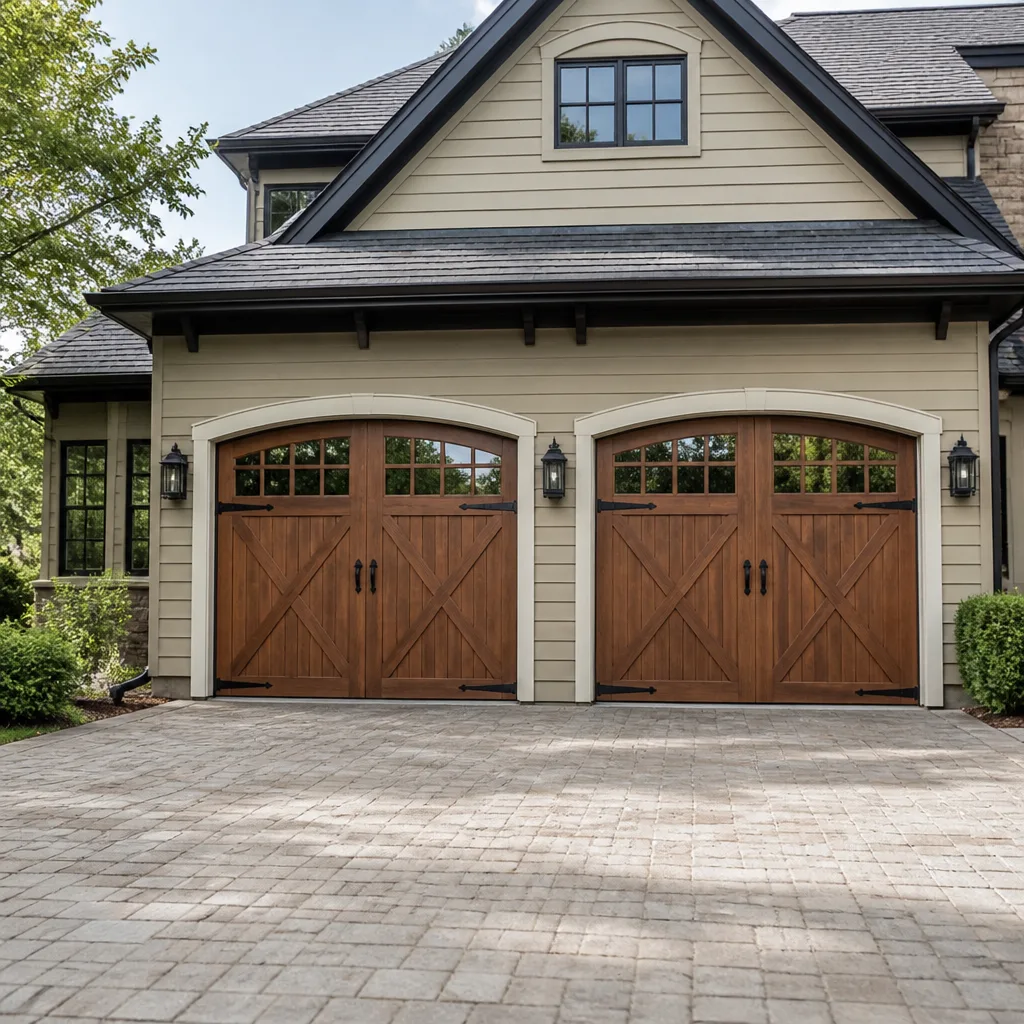 Carriage house
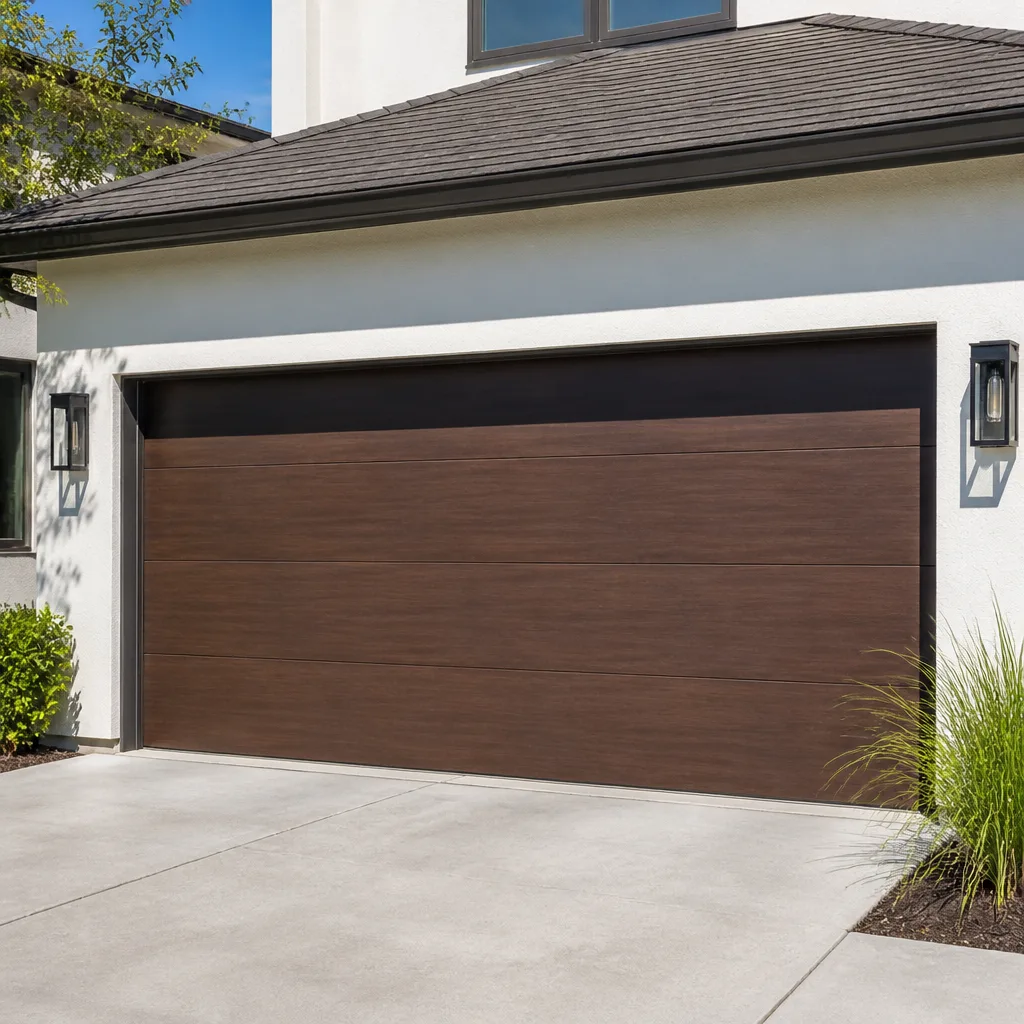 Modern flush
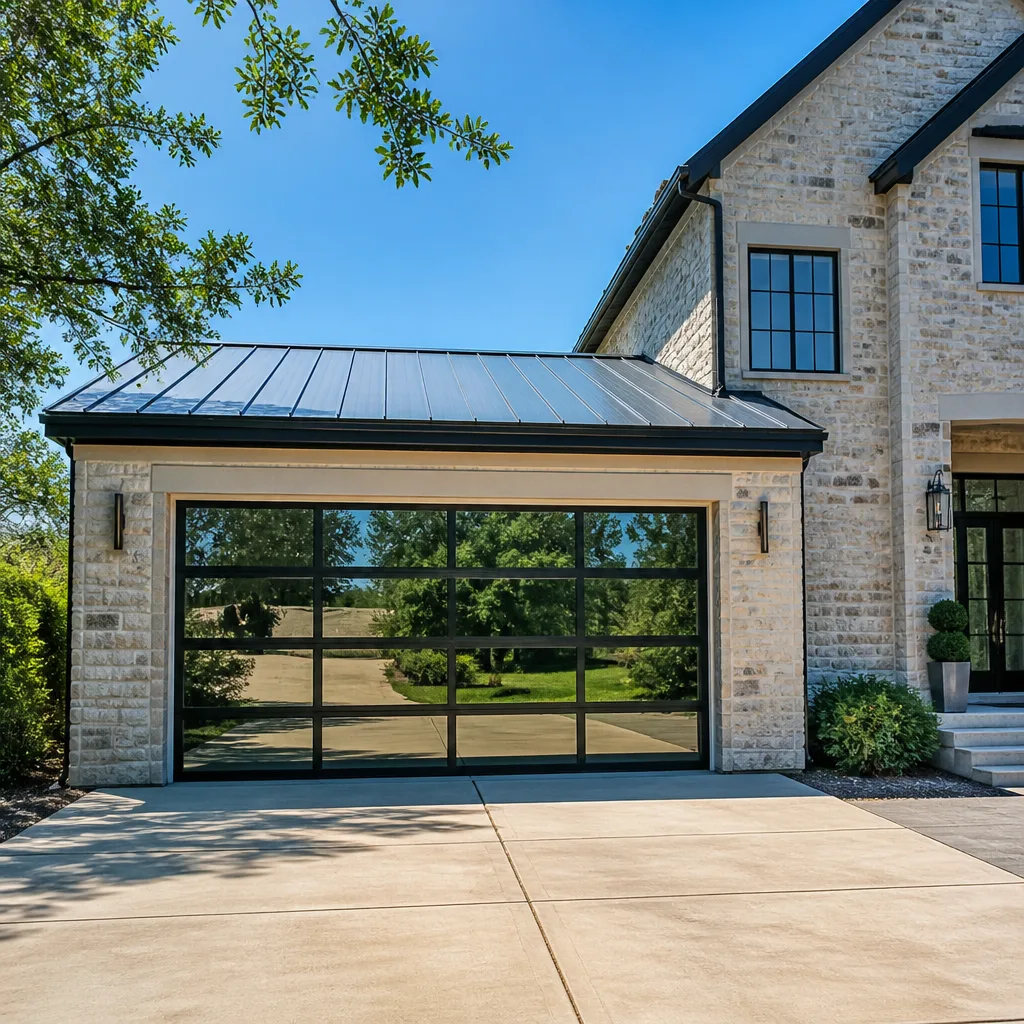 Full-view glass
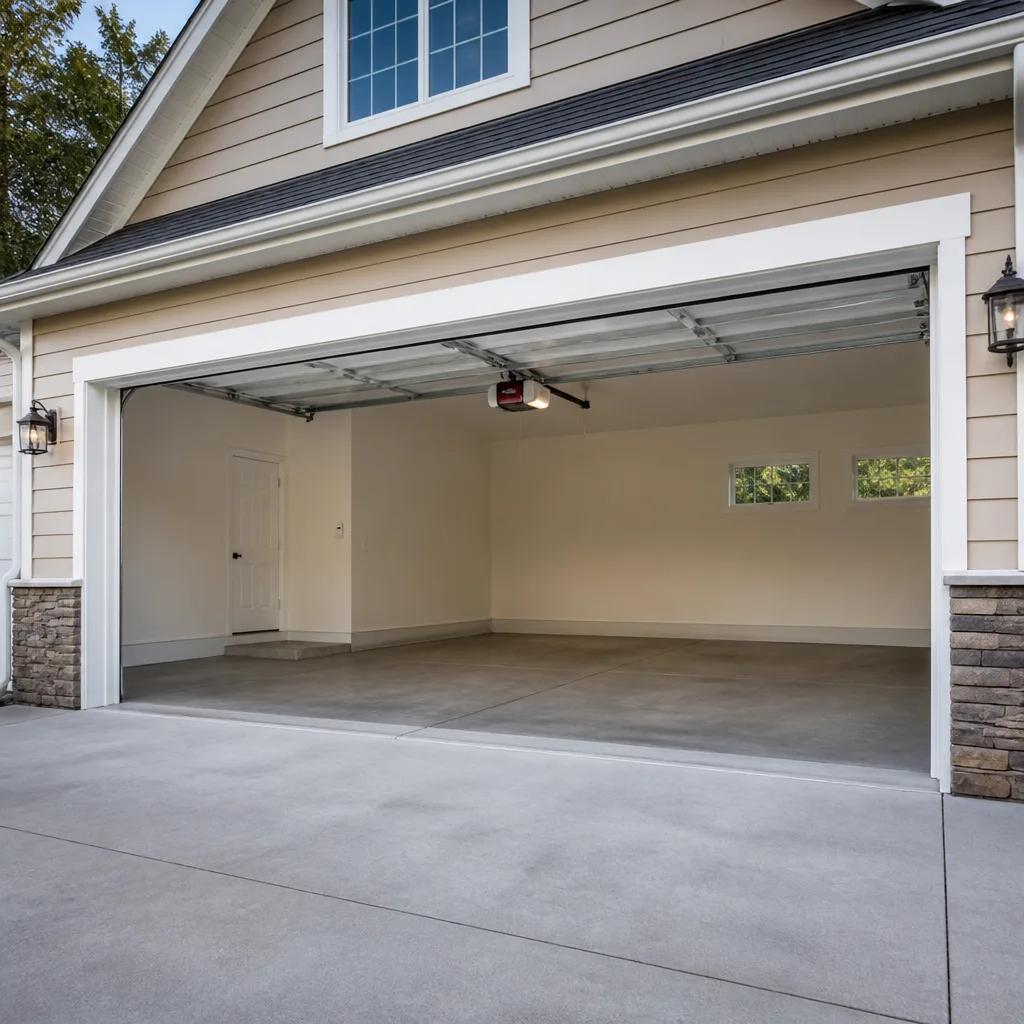 LiftMaster openers
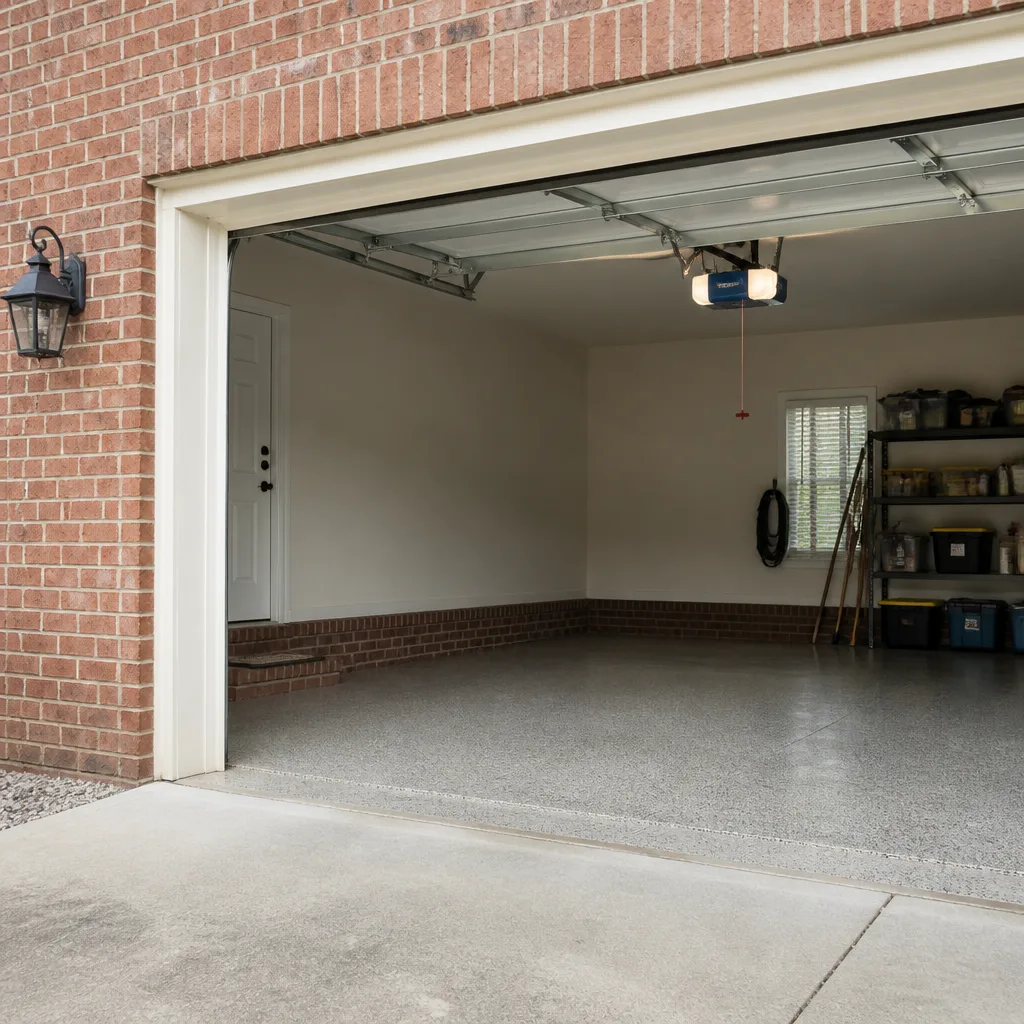 Chamberlain openers
Full 25-point door and opener safety check with every visit - springs, cables, rollers, tracks, and your LiftMaster or Chamberlain opener included
You get a price before we start. It does not change when the pro arrives.
Get your free estimateGarage Door Warning Signs: An Eagle Creek Homeowner’s Reference Guide
Most garage doors don’t fail without notice. They tell you something is wrong weeks in advance – with a sound, a pause, a wobble, a change in how they respond to the remote. The problem is that homeowners in Eagle Creek hear these signals every day and dismiss them, because nobody ever explained which sound maps to which part. A two-second hesitation before the door moves isn’t the door “just getting old.” It’s usually a torsion spring that has lost tension, and it puts the opener motor under load it was never designed to carry. That pause is a countdown. This guide translates what you’re hearing and seeing into what’s actually failing, so you can decide what can wait and what means you should stop using the door today.
Quick Answer
Garage door warning signs fall into two categories: sounds (grinding, squealing, popping, banging) and visual or behavioral changes (hesitation, off-balance movement, opener reversing mid-cycle, visible sag). Grinding and squealing usually point to worn rollers, hinges or lack of lubrication and can often wait a short time. Popping, banging, or a door that hesitates before moving usually points to spring or cable problems and warrants stopping use of the door until a professional looks at it. Our technicians have up to 15 years of experience, and in our work across Eagle Creek the single most common missed signal is the hesitation pause – it’s a spring issue, not an opener issue.
Styles & brands we work with
- Raised-panel steel
- Carriage house
- Modern flush
- Full-view glass
- LiftMaster openers
- Chamberlain openers
Table of Contents
- The Sound-to-Problem Index
- Visual Signs, Sorted by Urgency
- How to Tell if Your Door Is Unbalanced
- Opener Behavior Changes and What They Mean
- Normal Wear Sounds vs. Structural Risk Sounds
- What Eagle Creek Weather Does to Your Door
- When to Stop Using the Door Today
- Common Mistakes to Avoid
- When to Call a Professional
The Sound-to-Problem Index
Every garage door makes noise. The trick is knowing which noise belongs to which part. Here’s the translation we use when a homeowner describes a sound over the phone, mapped to the component most likely responsible.
Grinding
A low, steady grinding usually comes from worn nylon or steel rollers that have lost their bearings, or from metal-on-metal contact at the hinges. On older doors it also points to a dry torsion shaft. Grinding is rarely an emergency, but it accelerates wear on the track and can throw the door out of alignment if ignored.
Squealing
High-pitched squealing is almost always friction – hinges, rollers, or the track itself. It’s the most benign sound on this list and often responds to lubrication. If squealing persists after lubrication, worn rollers are the likely cause, and they should be replaced rather than re-greased.
Popping
Popping is the one to take seriously. A single loud pop followed by a door that won’t lift usually means a torsion spring has snapped. Repeated smaller pops during travel point to cables slipping off the drum or a track section that’s lost its fastening. Either way, stop using the door and get it looked at.
Banging or Slamming
Banging on the down cycle means the door is meeting the floor harder than it should, which stresses the bottom section and the hinges. Banging that occurs mid-travel often points to a loose hinge or a binding track. Both shorten the door’s life and both are worth fixing before they turn into something more serious.
Rattling
Rattling during operation is common on older doors and usually means loose hardware – nuts, bolts, hinge plates. A quick tightening is often all it takes, but if rattling persists, worn bearings or a loose track could be involved.
Visual Signs, Sorted by Urgency
Sound is half the diagnostic. The other half is what you can see. Here’s how we sort visual warning signs into “watch it,” “schedule it,” and “stop using the door today.”
Watch it (can usually wait a month)
- Slight rust spotting on hinges or track fasteners
- Minor door panel scratches or cosmetic wear
- Weatherstripping that’s starting to flatten at the bottom edge
- Small gaps between door panels that don’t affect operation
- Faded paint or finish
Schedule it (call within weeks)
- Visible sag between door sections
- Rollers that look cracked or worn flat
- A door that tilts slightly to one side as it travels
- Weatherstripping that’s torn or missing in sections
- Visible daylight under the closed door
- Springs with visible gaps, rust, or uneven coils
Stop using the door today
- Any visible gap or separation in a torsion spring
- A broken or frayed cable
- A door that’s visibly off its track
- A door that won’t stay in the open position when raised manually
- A door that’s dropped on one side
- A loud pop followed by a door that won’t lift
If you recognize anything in the third category, don’t cycle the door to “see if it works now.” Springs and cables are under extreme tension, and a door that comes down unexpectedly is a genuine hazard. When something in that group shows up, a call to Garage Door Repair Eagle Creek is the right move – we’ll diagnose the actual failure rather than guess at the symptom.
How to Tell if Your Door Is Unbalanced
An unbalanced door is the clearest sign that a spring is degrading before it fails, and it’s the one test most homeowners have never been shown. It takes 30 seconds with the door and your own hands, no tools required. Here’s how it works.
- Stand with the door closed and disconnect the opener using the manual release cord (the red handle). The door should now move freely by hand.
- Lift the door about halfway up and stop. Let go gently.
- Watch what it does. A properly balanced door will hold that position on its own, or drift slowly with a light nudge.
- If it falls back down toward the floor, the springs have lost tension and no longer support the door’s weight.
- If it rises on its own toward the ceiling, the springs are over-tensioned and need adjustment.
- Reconnect the opener once you’ve finished looking.
An imbalance doesn’t always mean an immediate failure, but it does mean the springs are on their way out. It also means the opener is doing work the springs were supposed to do, which shortens the motor’s life. Springs carry the actual weight of the door; running an unbalanced door through the opener puts that weight on the drive gear instead. If the test shows significant drift in either direction, that’s the point at which garage door repair is worth booking – not after the spring snaps.
One safety note: don’t adjust springs yourself, and don’t try to add turns to a torsion spring to “fix” an imbalance. The tension on those springs is enormous and the injury risk is real. Spring work belongs to a trained technician.
Opener Behavior Changes and What They Mean
The opener is a diagnostic tool if you know what its behavior is telling you. A motor that suddenly responds slowly, reverses mid-cycle, or runs longer than it used to isn’t being fussy – it’s compensating for something upstream.
Slow response to the remote
If the door takes a second or two longer to start after you press the button, the usual suspects are a dying battery in the remote, dirty photo-eye lenses, or a door that’s become harder to lift (a spring or track issue). Start with the remote battery, then check the photo-eye alignment, then consider whether the door is heavier than it used to be.
Reversing mid-cycle
A door that goes partway up or down and then reverses is usually triggering a safety sensor. The photo-eyes near the floor get bumped, dusty, or misaligned easily, and a slight misalignment is enough to trip the reverse. If cleaning and re-aligning the lenses doesn’t fix it, the logic board or the limit settings may need attention.
Running longer than usual
An opener that used to lift the door in five seconds and now takes eight or ten is working against resistance. Most often that resistance comes from a spring that’s lost tension, a binding track, or a worn roller. The motor itself is rarely the cause, but the extra load will eventually wear it out, which is why handling opener and spring issues together saves money in the long run.
Stopping partway
A door that stops about a quarter of the way up and won’t go further usually means the opener’s force limits are being exceeded – again, almost always a door-side problem. If the door has a LiftMaster or Chamberlain opener with travel-limit programming, it may also need the limits reset after moisture or a power interruption has scrambled them.
Our garage door opener repair work spans LiftMaster, Chamberlain, Genie, and Craftsman units because these behavior patterns are brand-specific. The fix for a Genie that reverses mid-cycle can differ from the fix on a Chamberlain, and that’s why we ask what brand you have before we come out.
Normal Wear Sounds vs. Structural Risk Sounds
Every door makes some noise. The line between “normal wear” and “structural risk” isn’t about volume; it’s about what the sound is made by. Here’s how we split the two.
Normal wear sounds
- A dry-sounding roll as the door moves – hinges and rollers need lubrication
- A light rattle on the down cycle – loose hardware or a slightly worn bottom seal
- A soft thump when the door meets the floor – the weatherstripping compressing
- A steady hum from the opener – the motor under normal load
Structural risk sounds
- A sharp crack or pop that comes with an immediate change in behavior
- A grinding noise that feels like it’s coming from the door’s weight, not the rollers
- A banging slam on the down cycle – the door is being driven too hard into the floor
- A rattle from the torsion bar (the horizontal shaft at the top of the door) rather than the panels
- Any noise that accompanies visible track separation or a door that’s tilted
If you can’t tell which side of that line a sound falls on, describe it precisely to a technician. “It sounds like grinding” is a different diagnosis than “it makes a grinding noise only when it gets to the top third.” Specifics shorten the diagnostic time and get you to the right repair faster.
What Eagle Creek Weather Does to Your Door
Indiana weather puts garage doors through real seasonal swings. Homes in Eagle Creek see hot, humid summers and cold winters with steady freeze-thaw cycles in between, and that cycle is what most affects door hardware. Metal contracts in the cold and expands in the heat, which works hinges, bolts, and track fasteners loose over a season or two. Wood-frame doors take on moisture in summer humidity and dry out in winter, which is why panel swelling and shrinking is common on older doors around here.
What that means practically is that the warning signals tend to cluster in specific seasons. Late fall is when grinding and squealing show up as lubrication dries out from summer. Early spring is when “popping” calls rise, because springs that were already near end-of-life often let go during the first cold spell or the first big warm-up. A door that was quiet in October may start hesitating in January, and that’s not a coincidence.
Springs in particular are affected by temperature. Torsion springs lose tension slowly over time, but the loss is not always linear – a spring can sit at 90 percent of its rated tension for a long stretch and then drop fast. If you’ve noticed your door getting harder to lift manually over the last year, Eagle Creek’s winter swings will make the difference more obvious. If you’re replacing a door rather than repairing one, this is also a good time to consider how your new door will hold up against the same cycle. Our garage door installation work includes insulation and material choices that make a measurable difference in local conditions.
When to Stop Using the Door Today
Some warning signs mean you should call and wait. Others mean you should not cycle the door again until a technician has looked at it. Here’s how we separate the two.
- Look up at the torsion spring (the horizontal bar at the top of the door). If you see a gap, a broken coil, or the spring looks like it’s split into two pieces, stop. Don’t cycle the door.
- Look at both vertical cables running down the sides. If either cable is frayed, visibly kinked, or hanging loose from the drum, stop. The cable is what holds the door in position if tension fails.
- Try to lift the door by hand about a foot. If it’s much heavier than it used to be, or if it drops the moment you let go, stop. The spring isn’t carrying the weight anymore.
- Look at the door from the side. If one side is visibly higher than the other when the door is closed, stop. This is a sign of a broken or detached component.
- Look at the track. If either track is bent, separated from the wall, or the door is riding outside it, stop. A door that comes off the track is a genuine hazard.
Any one of these is enough. A door that fails while someone is standing under it is a serious injury risk, and the cost of repair rarely goes down by cycling it “one more time” to see what happens. The pattern we see in Eagle Creek again and again is that homeowners put off the call until a small issue becomes a large one. Catching it at the hesitation stage is a spring repair. Catching it after the spring snaps is a spring repair plus likely damage to the opener’s drive gear, and sometimes to the door panels as well.
Common Mistakes to Avoid
- Assuming an opener problem is an opener problem. Most “opener” symptoms – hesitation, partway stops, hard reversing – trace back to the door or springs. Replacing the opener without fixing the door just kills the new opener faster.
- Testing a broken door “one more time.” A door with a snapped spring or a frayed cable is not going to fix itself. Each cycle risks the door coming down unexpectedly.
- Adding lubricant to fix a popping sound. Lubrication helps squealing and grinding. It does nothing for popping, and if the pop is a failing spring, lubrication just delays the call.
- Adjusting torsion springs yourself. This is the single most dangerous garage door job there is, and the tension on those springs is far beyond what any DIY guide prepares you for. Spring work belongs to a trained technician, every time.
- Ignoring an off-balance door through a whole season. An unbalanced door puts load on the opener that it wasn’t designed for, and in Eagle Creek’s wet-to-dry weather swing it tends to get worse, not better.
- Buying generic replacement parts without checking the door brand. Rollers, hinges, and springs vary by manufacturer and door weight. A Clopay door and an Amarr door of similar size can still use different spring specifications, and the wrong spec shortens the life of the new part.
- Putting off the driveway-facing door because it’s “working fine.” Warning signs often start as a subtle change – the door sounds a little different, the light under it looks a little uneven – and by the time it’s obviously broken, you’re in an emergency call rather than a routine one.
When to Call a Professional
Call a professional when any of the following applies: you see a broken spring or a frayed cable; the door hesitates, pops, or reverses unexpectedly; the door is visibly off its track or off-balance; the opener runs but the door doesn’t move; or you’ve had a door-related sound or behavior change that’s lasted more than a few days. Also call if you simply can’t tell which category a symptom falls into – a phone call is free, and a technician can often triage over the phone whether you’re looking at a lubrication issue or something that needs a visit. Spring work, in particular, is not something to try at home. Garage Door Repair Eagle Creek offers free estimates in Eagle Creek – call (844) 935-1938. We work on every major brand, from LiftMaster and Chamberlain openers to Clopay and Amarr doors, so the first visit is usually the fix rather than a diagnosis followed by a parts order.
See the difference
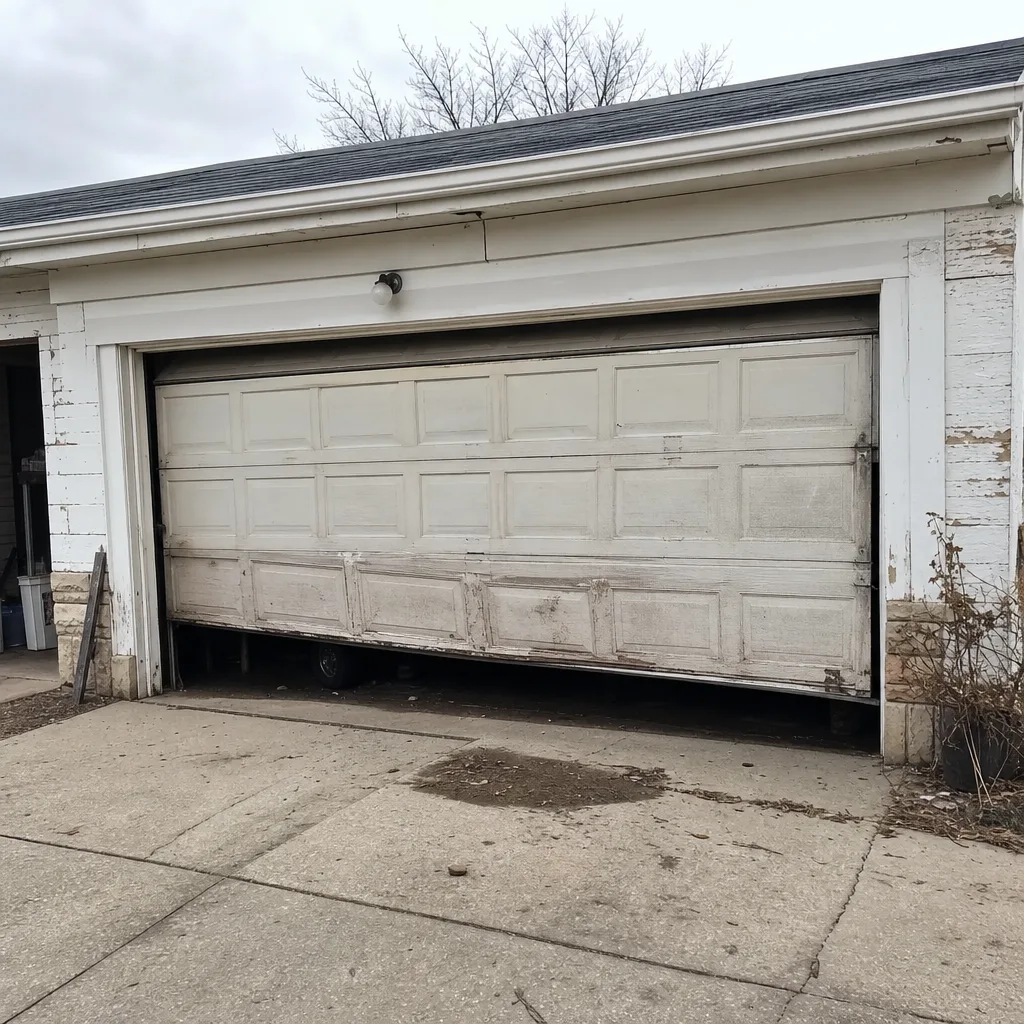 Before
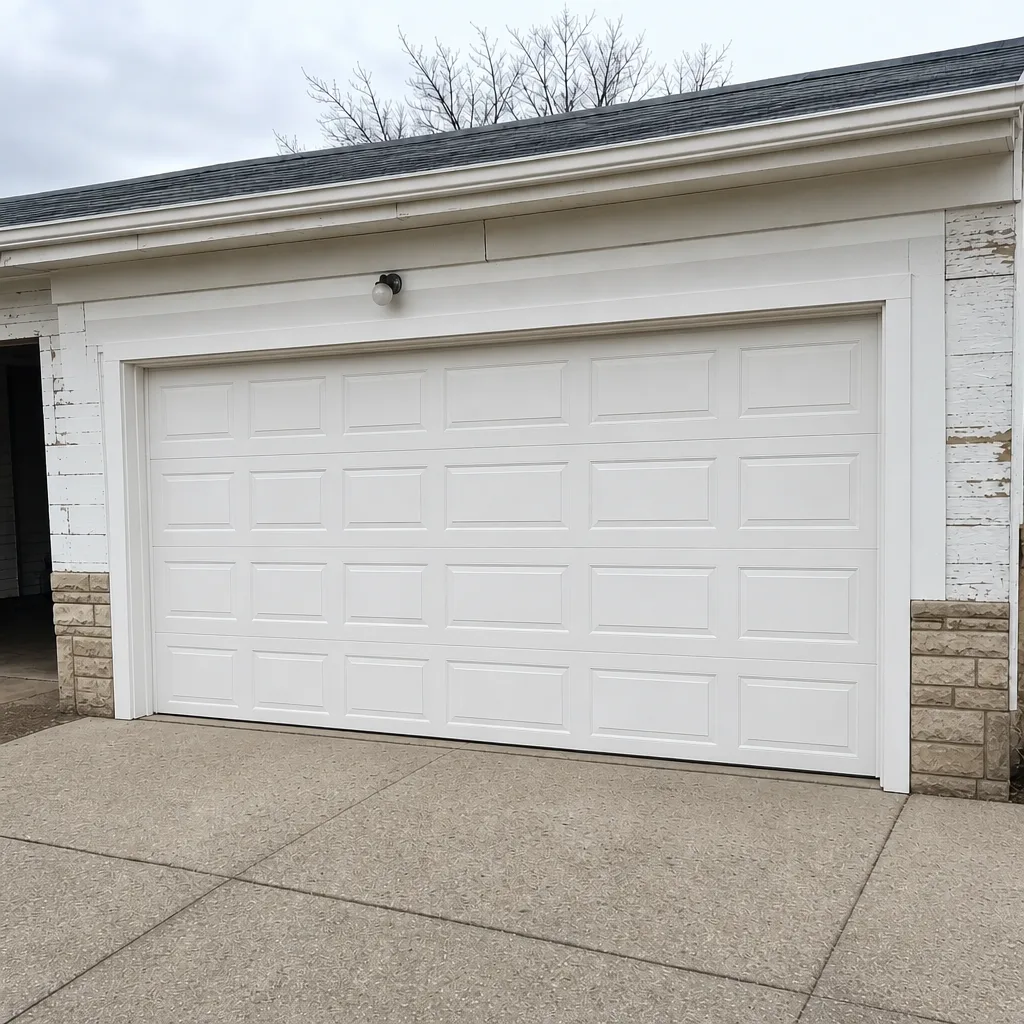 After
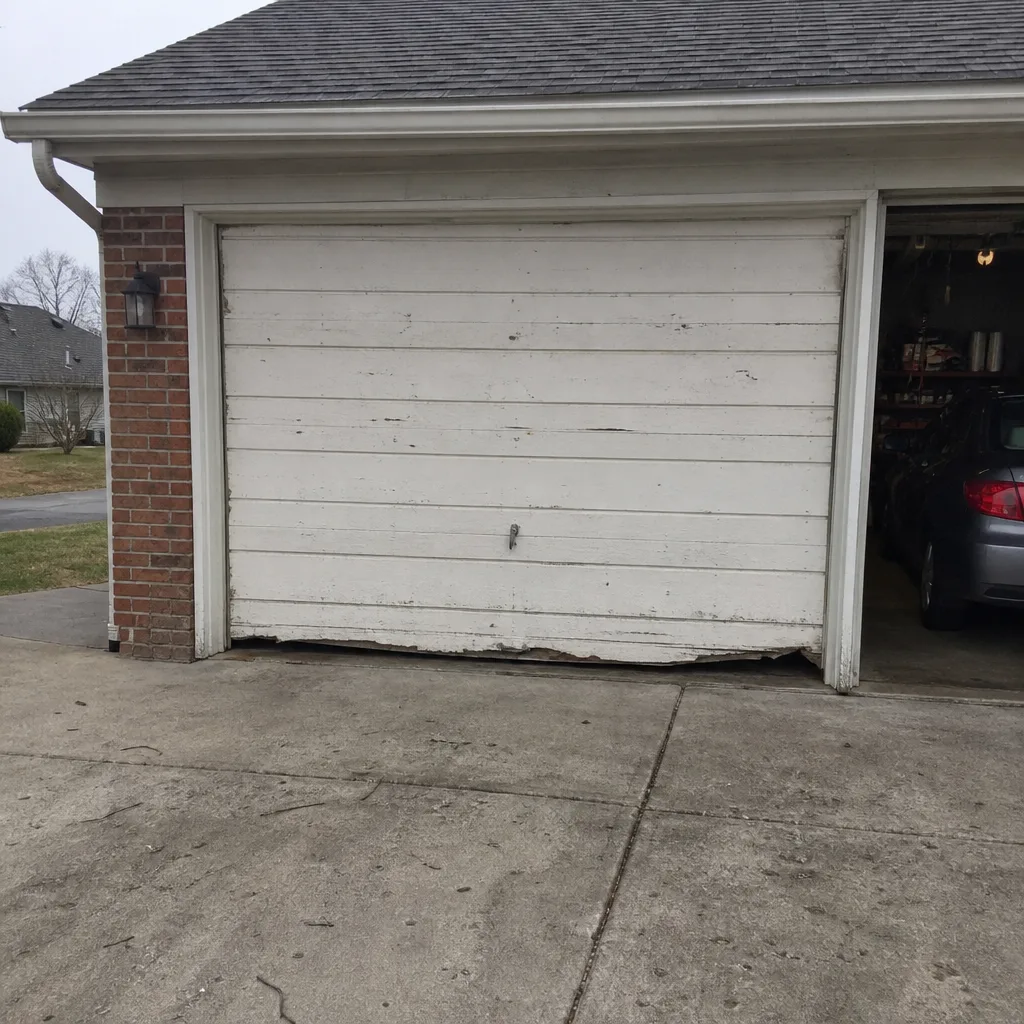 Before
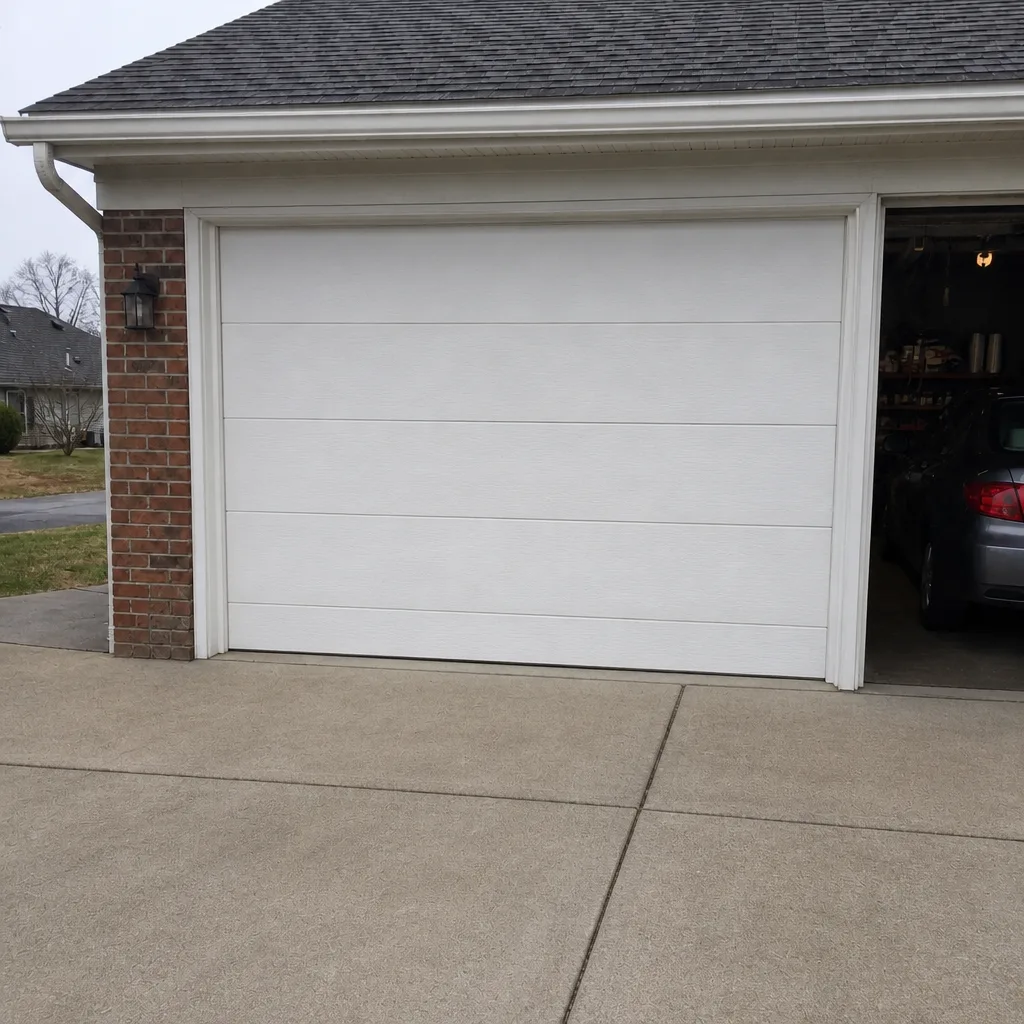 After
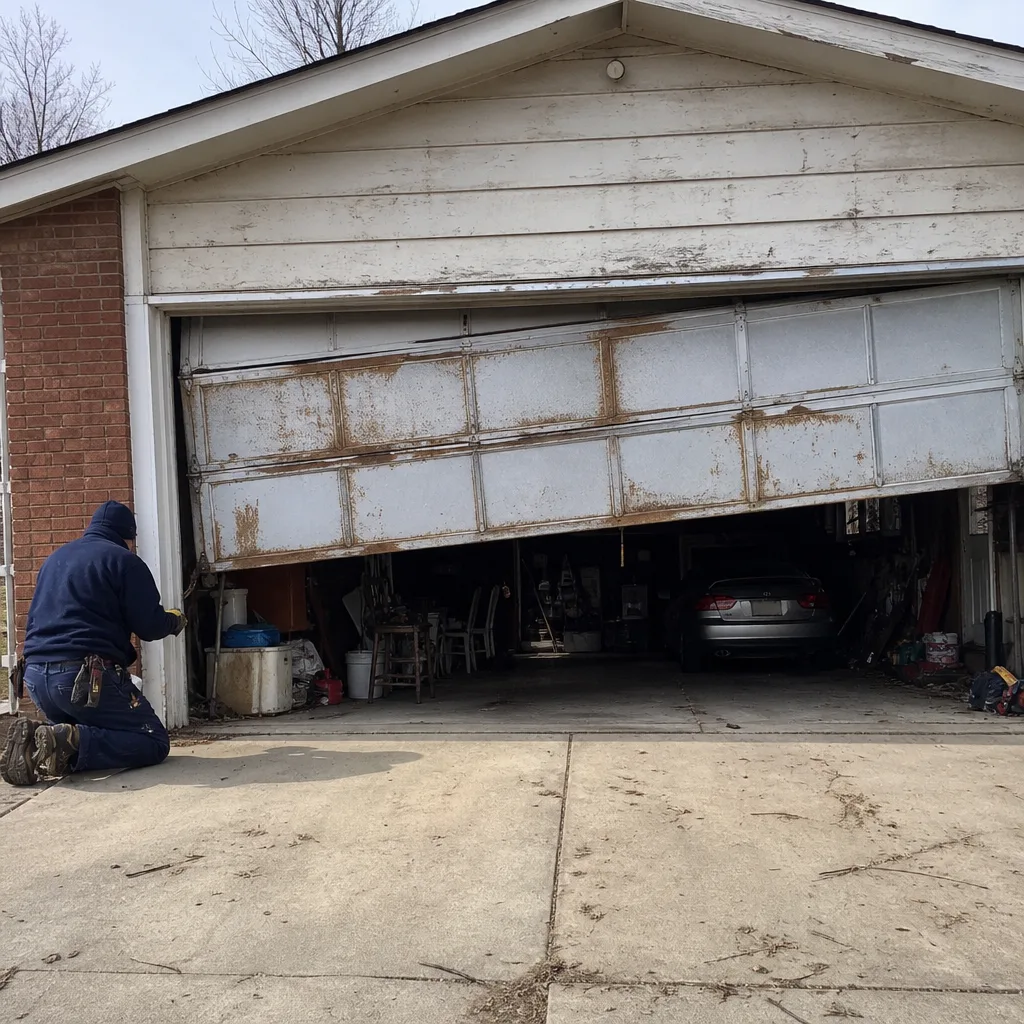 Before
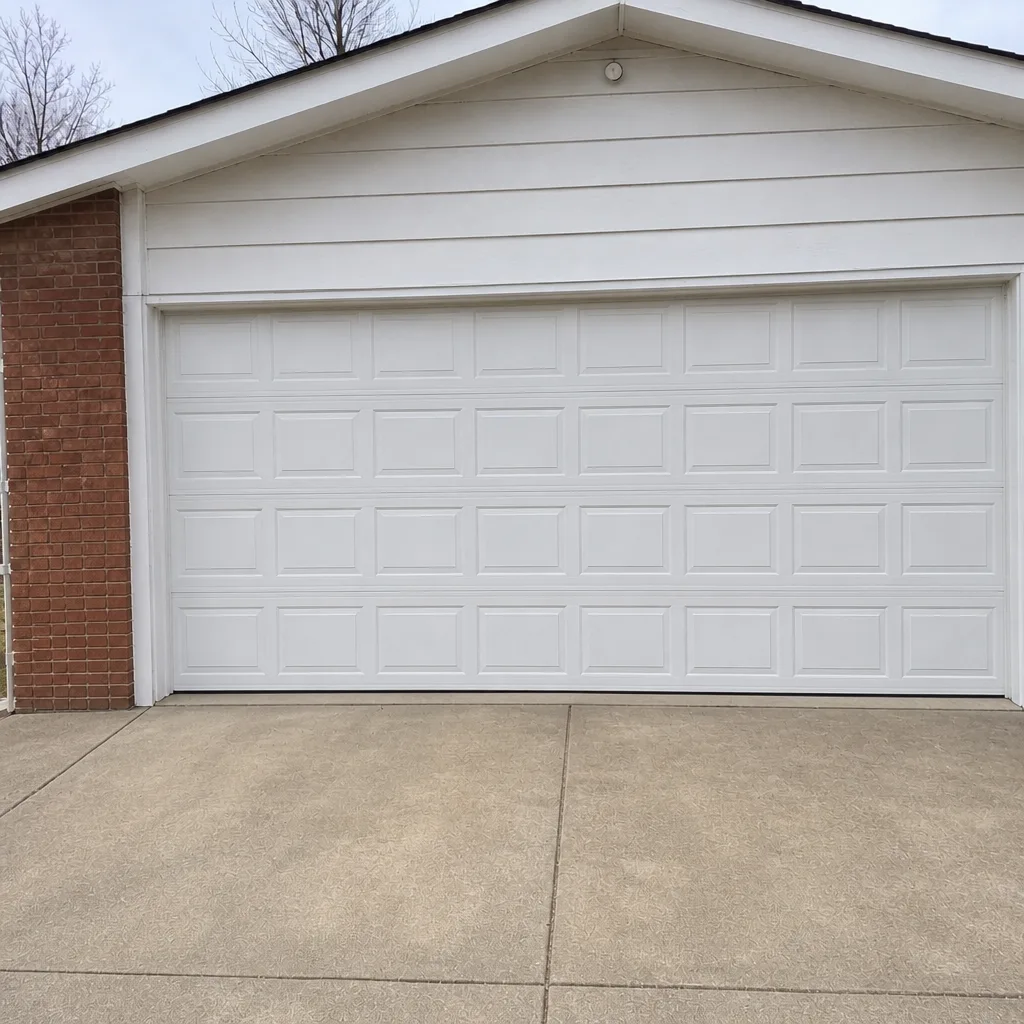 After
Frequently Asked Questions
The hesitation pause – a door that waits a second or two before starting to move – is the most common sign we see in Eagle Creek, and it almost always points to a torsion spring that’s lost tension. It’s easy to dismiss because the door still works, but the pause is the opener taking up slack the spring should be carrying. Every cycle in that state wears the opener a little faster, and the spring gets closer to snapping. Call (844) 935-1938 for a free estimate before the pause turns into a pop.
Spring repair in Eagle Creek typically costs in the range you’d expect for a single torsion spring, and a matched pair – which is usually what should be replaced together – costs roughly twice that. The exact figure depends on the spring type, door weight, and whether the opener needs adjustment after the spring is replaced. The written estimate is the price, and it’s quoted before any work starts. Call (844) 935-1938 for an exact quote – estimates are free.
We can often respond to same-day repair requests for stuck or failing doors in Eagle Creek, and we’ll tell you honestly on the call whether today is realistic or whether tomorrow morning is the right window. Get out of the habit of cycling a stuck door to “see if it works” – if there’s a snapped spring or frayed cable involved, cycling it can make things worse. Call (844) 935-1938 and describe the sound and the symptom.
The local professional we connect you with is licensed and insured as their state requires, and our technicians have up to 15 years of experience working on garage doors and openers. Spring work in particular requires specific training because of the tension involved. We service every major brand, including LiftMaster, Chamberlain, Genie, Craftsman, Clopay, Amarr, Wayne Dalton and Raynor, so the technician who arrives will know your system rather than learning it on the job. Call (844) 935-1938 for a free estimate.
No – the written quote you agree to before work starts is the price. If the technician finds a genuinely different problem than the one described on the phone, they’ll explain what’s different and give you a new estimate before touching anything. You approve it or you don’t. Nothing gets done without your go-ahead, and nothing gets added at the end. Call (844) 935-1938 to book a free estimate.
Yes, because the most serious warning signs – spring degradation and cable wear – are often silent until the moment they fail. The 30-second balance test in this guide is the fastest way to know whether your springs are still carrying their share of the door’s weight, and it’s worth doing once a season. If the door drops when you let go halfway up, the springs have lost tension even if the door still sounds normal. Call (844) 935-1938 if the test shows significant imbalance.
The Bottom Line
A garage door broadcasts its problems before it fails, and the signals are specific. Grinding and squealing usually point to rollers and hinges. Popping, banging, or hesitation point to springs and cables, and those are the calls that shouldn’t wait. The 30-second balance test is your fastest check – if the door won’t hold halfway up, the springs are done their job and the opener is carrying the difference. Watch for opener behavior changes too: slow response, reversing mid-cycle, running longer. In Eagle Creek’s hot-humid-to-cold cycle, these signals tend to cluster in spring and fall, so a quick inspection at each seasonal turn catches most problems before they get expensive. When you spot one, call a specialist rather than cycle the door again.
If something on this list matches what you’re hearing or seeing, we’re ready to help. Call (844) 935-1938 for a free estimate. We work on every major brand, from the spring to the opener to the door itself, so the diagnostic call and the fix happen in one visit wherever possible.
Written by the team at Garage Door Repair Eagle Creek.