Last updated November 20, 2026
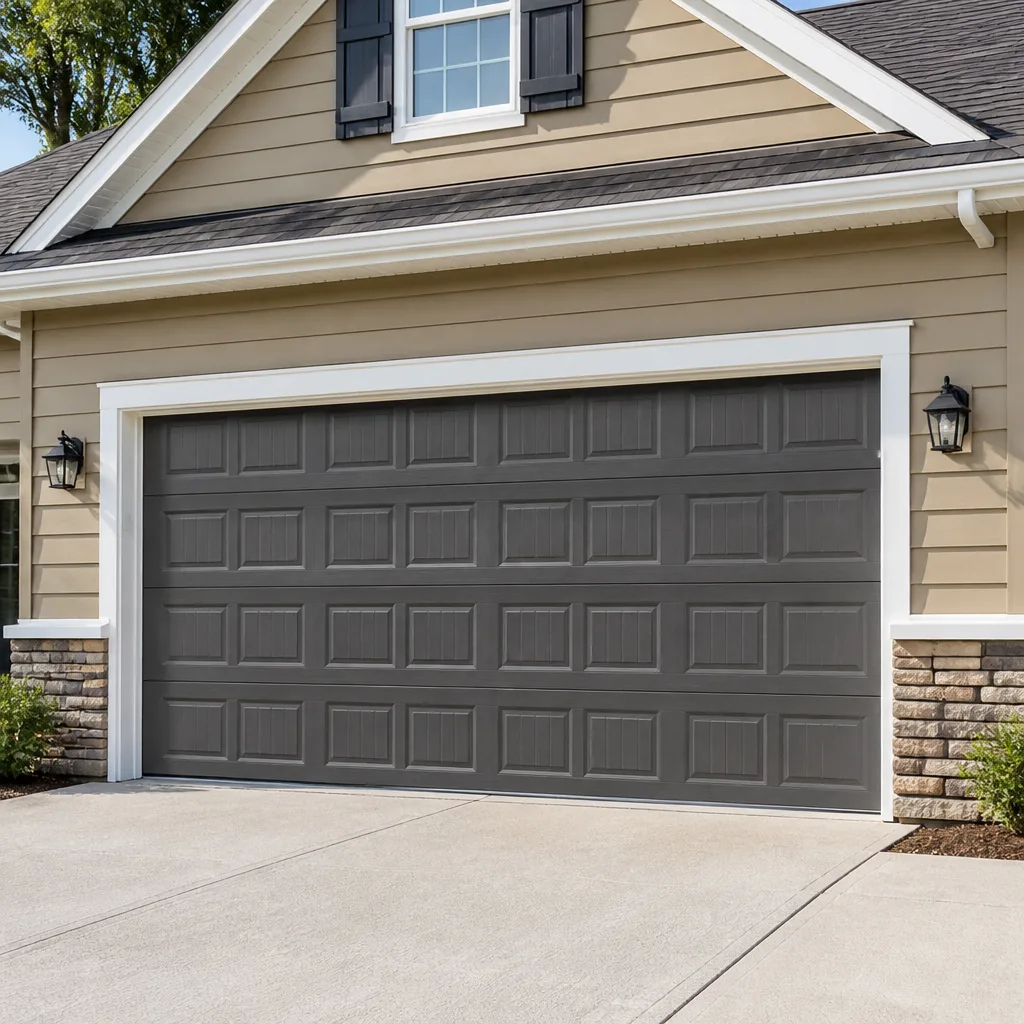 Raised-panel steel
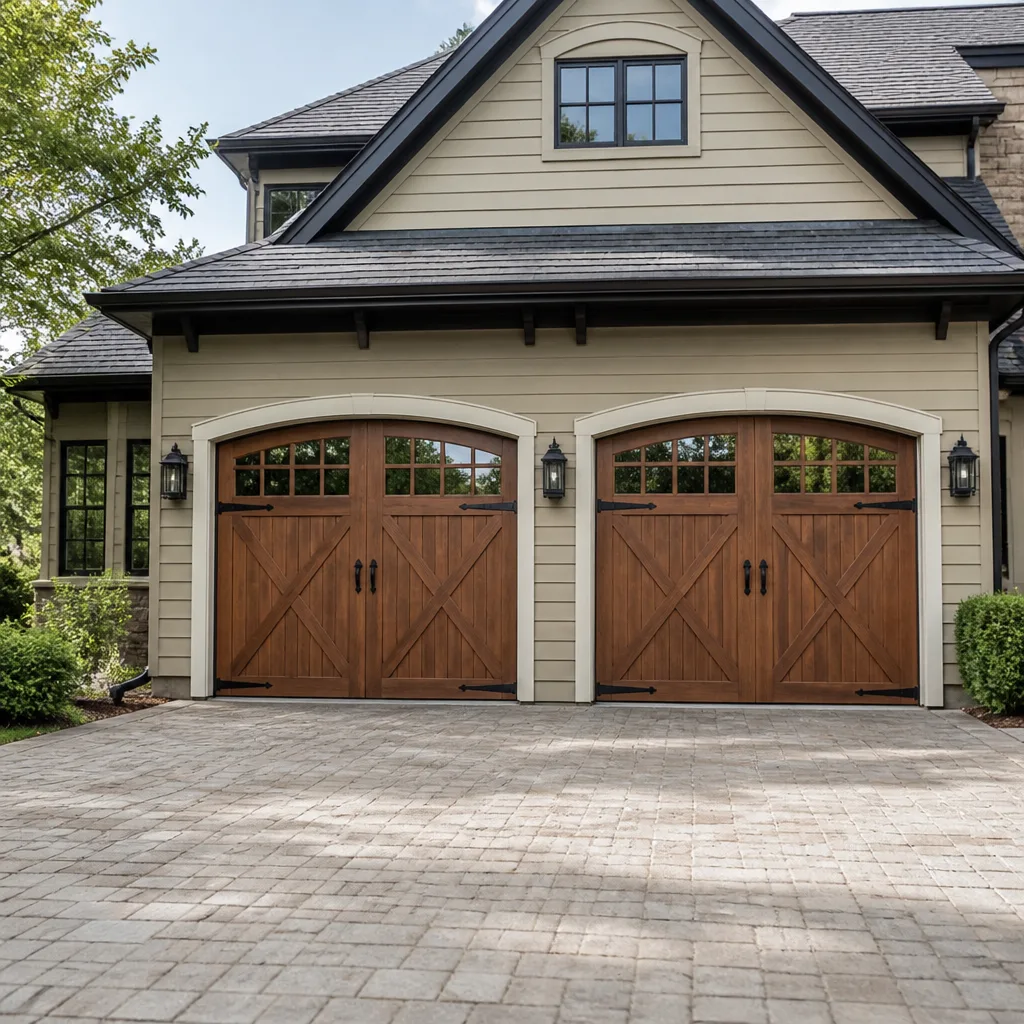 Carriage house
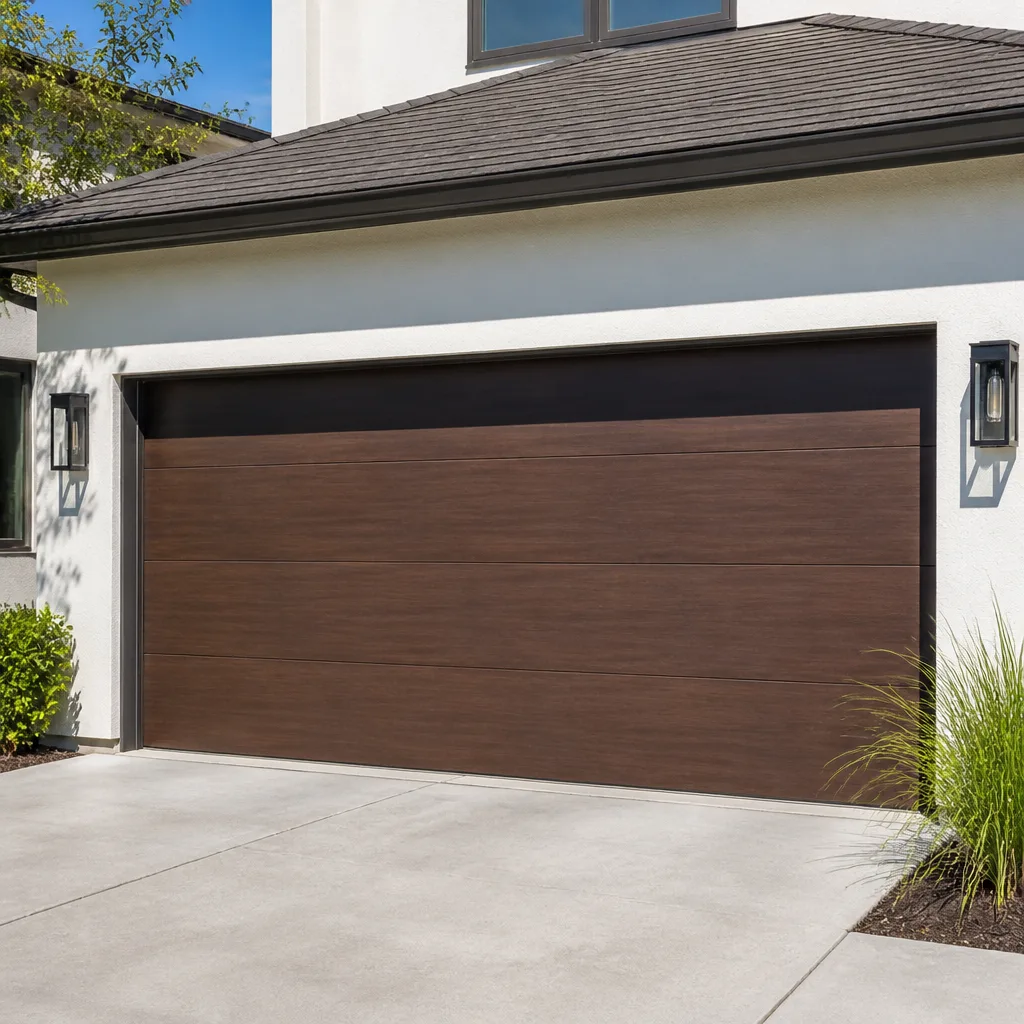 Modern flush
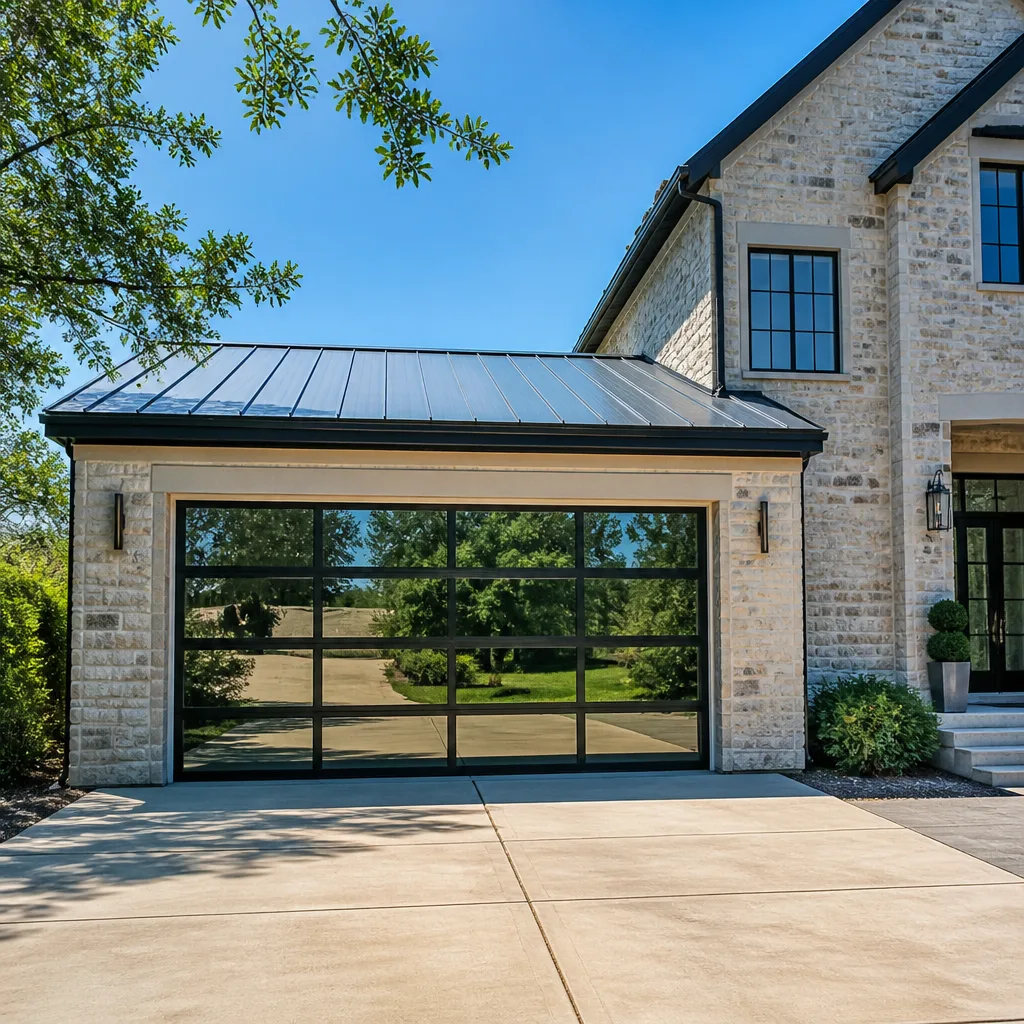 Full-view glass
 LiftMaster openers
 Chamberlain openers
Full 25-point door and opener safety check with every visit - springs, cables, rollers, tracks, and your LiftMaster or Chamberlain opener included
You get a price before we start. It does not change when the pro arrives.
Get your free estimateGarage Door Repair Maintenance Checklist for Eagle Creek Homeowners
Lubricating your garage door rollers in January in Indiana is too late. The grease has already thickened in the cold, and every dry cycle on a frozen hinge or a stiff nylon roller has already done its damage. Most garage door maintenance checklists treat all months the same, which is why they fail in a place with four real seasons. Eagle Creek gets freeze-thaw cycles that distort bottom seals, a pollen season that gums up tracks, and summer heat that softens lubricant films. This guide gives you a month-by-month maintenance calendar built around that actual climate, the lubricants that hold up below 20°F, how to test spring tension without touching a spring, and which tasks genuinely extend door life and which are just filler.
Quick Answer
The best garage door maintenance in Eagle Creek follows the seasons, not a generic annual list. Lubricate rollers and hinges in late fall before the first hard freeze, clear tracks after pollen season in late spring, inspect the bottom seal before winter and again after the spring thaw, and test the balance and safety reverse functions once a month year-round. These five checks, done at the right time, prevent more failures than a longer list done all at once.
Styles & brands we work with
- Raised-panel steel
- Carriage house
- Modern flush
- Full-view glass
- LiftMaster openers
- Chamberlain openers
Table of Contents
- Why Timing Beats Task Count in Eagle Creek’s Climate
- The Month-by-Month Maintenance Calendar
- Which Lubricants Actually Hold Up in an Indiana Winter
- How to Test Spring Tension Safely Without Touching the Hardware
- Weather Seal Inspection for Frost Heave and Bottom Seal Compression
- Five Tasks That Genuinely Extend Door Life
- Maintenance Steps That Don’t Move the Needle
- The Maintenance Item You Should Never Handle Yourself
Why Timing Beats Task Count in Eagle Creek’s Climate
A garage door in Eagle Creek doesn’t fail randomly. It fails on a schedule set by temperature swings. The metal expands in summer heat and contracts in winter cold. Wood or wood-composite frames swell in humid spells and dry out after. The bottom seal compresses against a concrete floor that frost heave pushes up in some winters and drops back in spring. Each of these cycles stresses a different part of the door.
That means a task that protects the door in October is wasted in May. Lubricant that protects fine in July can turn gummy and thick in a January cold snap. A track that runs clean in spring can collect grit all summer. Homeowners who check everything once a year usually check it at the wrong time, then wonder why the door still sounds rough by February.
We’ve seen the difference repeatedly. A door that gets its rollers and hinges oiled in late fall runs quiet and smooth through the coldest weeks. A door that gets the same oil in spring starts grinding by mid-winter. Same product, same effort, six months apart. The timing is what made the difference.
Our technicians have up to 15 years of experience working on doors from Clopay, Amarr, Wayne Dalton, and Craftsman in the Indianapolis area. What they’ve learned in that time is simple: match the task to the season, and you’ll get more years out of the door with less total effort. The rest of this guide lays out exactly how to do that for your Eagle Creek home.
One thing to note before we start: a well-maintained door always looks better. Bright, clean, and moving smoothly is a natural result of good maintenance, not a separate task. If you ever need it, our Garage Door Repair Eagle Creek page covers the repair side.
The Month-by-Month Maintenance Calendar
This calendar is built around Indiana’s actual seasons. Adjust by a couple of weeks in either direction if a year runs warm or cold, but the order of tasks doesn’t change.
January and February
- Keep the bottom seal clear of ice so it seats evenly.
- Listen for new squeaks and rattles in the cold; note where they come from.
- Never force a door that’s frozen to the floor. Wait for it to free or call us.
March and April
- Inspect the bottom seal for damage caused by frost heave over winter.
- After the first warm stretch, run the door with the opener disconnected and listen for grinding.
- Book your spring balance test now, before the busy season.
May and June
- Clear tracks and rollers of pollen buildup, which is heaviest in late spring.
- Wipe down the weather seal and check for cracks after the freeze-thaw cycle.
- Test the safety reverse with a small object on the floor.
July and August
- Check that the door runs quietly during the hottest weeks; heat can soften lubricant.
- Listen for hard starts or grinding, signs of a worn opener.
- Tighten loose fasteners and clean the tracks with a dry cloth only.
September and October
- Late fall is the most important lubricating window. Oil rollers, hinges, and the torsion bar bearing plate.
- Check the bottom seal again before the first freeze.
- Test the balance of the door by hand with the opener disconnected.
November and December
- Clear the area around the door of leaves and debris that can jam the weather seal.
- Confirm that the opener’s safety reverse still works before the cold sets in.
- Schedule a professional check if the door has been noisy all year.
Print this calendar or save it to your phone. It’s the single most useful maintenance tool you’ll have in Eagle Creek.
Which Lubricants Actually Hold Up in an Indiana Winter
Not every garage door lubricant survives an Indiana freeze. Some thin out and run off in summer, then leave no protection at all in January. Others get so thick below 20°F that they turn rollers into a sticky mess and double the strain on the opener. Choosing the right product for this climate is one of the most overlooked parts of garage door care.
Products That Hold Up Below 20°F
- Silicone spray: Stays fluid at low temperatures and doesn’t attract dirt. Best for hinges and the weather seal.
- White lithium grease: A solid choice for the torsion bar bearing plate if applied sparingly. It holds up but can attract dust if over-applied.
- Dedicated garage door lubricant: Products formulated for the full range of outdoor temperatures are your safest bet. Check the can for a low-temperature rating.
Products That Fail in the Cold
- General-purpose grease or motor oil: Both thicken substantially below freezing and can make the door harder to move.
- WD-40 in the blue can: Fine as a quick cleaner, but it’s a solvent, not a long-term lubricant. It evaporates and leaves the metal dry.
- Petroleum-based spray lubricants: Many thicken noticeably below 20°F. Avoid them for rollers and hinges.
We recommend buying one good garage-door-specific spray and using it consistently in late fall. Two or three light applications a year are all you need. If your door is a Clopay or Wayne Dalton model with sealed nylon rollers, use silicone only and apply lightly, since too much product can attract grit that wears the roller faster.
If your openers are part of the picture, our garage door opener repair service covers the electronics and drive systems for LiftMaster, Chamberlain, Genie, and Craftsman. The right lubricant protects those drive systems too.
How to Test Spring Tension Safely Without Touching the Hardware
Garage door springs are under high tension and are one of the most dangerous parts of the door. You should never adjust, remove, or tighten them yourself. But you can safely gauge whether they’re losing tension using visual and audio cues, without touching any hardware.
The Balance Test
- Close the door.
- Pull the release handle to disconnect the opener.
- Lift the door by hand to about halfway and let it go.
- A balanced door stays where you put it. A door that drifts down or springs up on its own has a tension problem.
- Reconnect the opener.
If the door feels much heavier than it used to, or won’t lift past a certain point without effort, the spring is losing tension. This is your cue to call a professional, not to try tightening anything.
Audio Cues
- A loud bang from the garage is often the sound of a torsion spring snapping, usually on the coldest days of the year.
- Repeated creaking or groaning with each cycle can indicate a spring that’s no longer carrying its share of the load.
- Uneven movement, where one side lifts faster than the other, points to a spring problem on one side.
Visual Cues
- A visible gap in a torsion spring coil is a sign it has broken.
- Rust streaks down the spring or the bearing plate can indicate wear.
- Uneven gaps between the coils, where the spring isn’t evenly wound, signal a problem.
Any of these signs means the door needs a professional spring inspection. Our technicians treat spring repair as a dedicated service because it’s a high-skill, safety-critical job that requires brand-specific knowledge. If you suspect a problem, our garage door repair page explains what to expect. Don’t wait for a total failure, especially in Eagle Creek’s coldest weeks, when a fully loaded spring under cold stress is most likely to give out.
Weather Seal Inspection for Frost Heave and Bottom Seal Compression
The bottom seal is the part of the door that takes the most punishment from Indiana’s winter. Frost heave pushes concrete floors upward in some years and drops them back in spring. A seal that sits perfectly in summer may not seal at all by February. The good news is that checking it takes about a minute, and replacing it is inexpensive.
What to Look For
- Compression gaps: Look at where the seal meets the floor while the door is closed. If you see daylight anywhere along the bottom, the seal has lost its fit.
- Flattened or curled edges: A seal that has hardened and curled is no longer stopping drafts or water.
- Cracks on the underside: Cracked rubber lets in cold air all winter and lets moisture in all summer.
- Debris trapped under the seal: Leaves and grit can prevent the seal from sitting flat.
The Spring vs. Fall Check
Do a full seal inspection in October, before the first freeze. Then do a quick visual check in March, after the thaw, to catch any damage from winter. If the floor has heaved or settled over the winter, the gap that worked fine in fall may not seal in spring.
A tight seal doesn’t just protect your garage from cold. It keeps mice and insects out, protects the door’s bottom edge, and keeps the door’s frame from swelling. If your seal is worn out, a replacement is one of the simplest upgrades you can make, and it’s part of our garage door installation work for new doors as well. Whether you’re on a Craftsman or Amarr door, the seal matters.
If the tracks themselves are bent, the door can’t seal evenly no matter how good the seal is. Call us for a free estimate on any seal or track problem in Eagle Creek.
Five Tasks That Genuinely Extend Door Life
Not all maintenance tasks are created equal. These five are the ones that actually keep your door running longer and reduce the odds of a breakdown.
- Lubricate rollers and hinges in late fall. This is the single task most likely to extend the life of your door in Indiana’s climate. Cold stiffens many lubricants, but the right one applied before the freeze keeps the moving parts moving smoothly all winter.
- Test the balance and safety reverse every month. It’s a two-minute job that catches a failing opener or spring early. The safety reverse is also a genuine safety feature; if it fails, the door can come down on a child or pet.
- Clean the bottom seal and tracks with a dry cloth. Moisture and grit cause more wear than people realize. Wiping down the tracks a few times a year keeps the rollers from grinding and extends both.
- Keep the door’s balance in check with an annual spring inspection. A door that’s out of balance runs harder every cycle, which wears out the opener and the rollers faster. A professional check catches balance issues before they turn into failures.
- Replace the bottom seal when it hardens. This cheap part does a lot of work. A bad seal leads to draft, moisture, and eventually damage to the door’s bottom panel.
If you do only those five, you’ll be well ahead of most Eagle Creek homeowners. Everything else on the checklist is either optional or designed to help you spot a problem early.
Maintenance Steps That Don’t Move the Needle
Some steps that appear on every generic checklist do little to extend door life. Knowing which ones are simply passing the time saves you effort for the tasks that matter.
- Random tightening of every bolt. Over-tightening fasteners can actually strip or deform them. Check the fasteners that are visibly loose, but don’t go around tightening everything as a matter of habit.
- Weekly door testing. Once a month is enough for balance and safety checks in most homes.
- Grease on the tracks. Track grease attracts dirt and turns into paste. Tracks should be clean and dry, not greased.
- Replacing rollers because they look dirty. Dirty rollers clean up with a wipe, not a replacement. Replace them only if they’re damaged or worn.
- Spraying the springs with household oil. Many spring designs shouldn’t be oiled this way. Leave spring lubrication to a professional.
A tight, well-maintained door is the goal; a checklist you can actually keep up with is the method. The five tasks from the previous section plus the month-by-month calendar will get you there in Eagle Creek.
See the difference
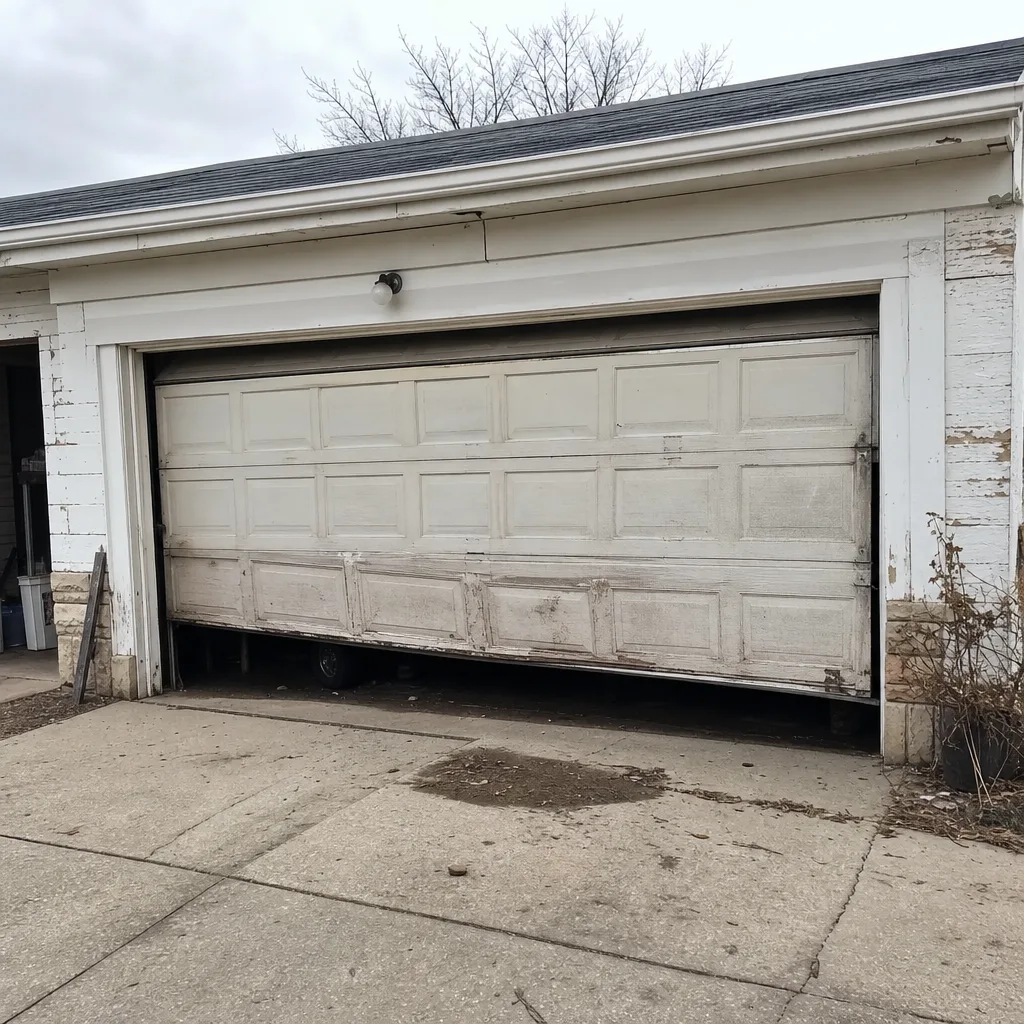 Before
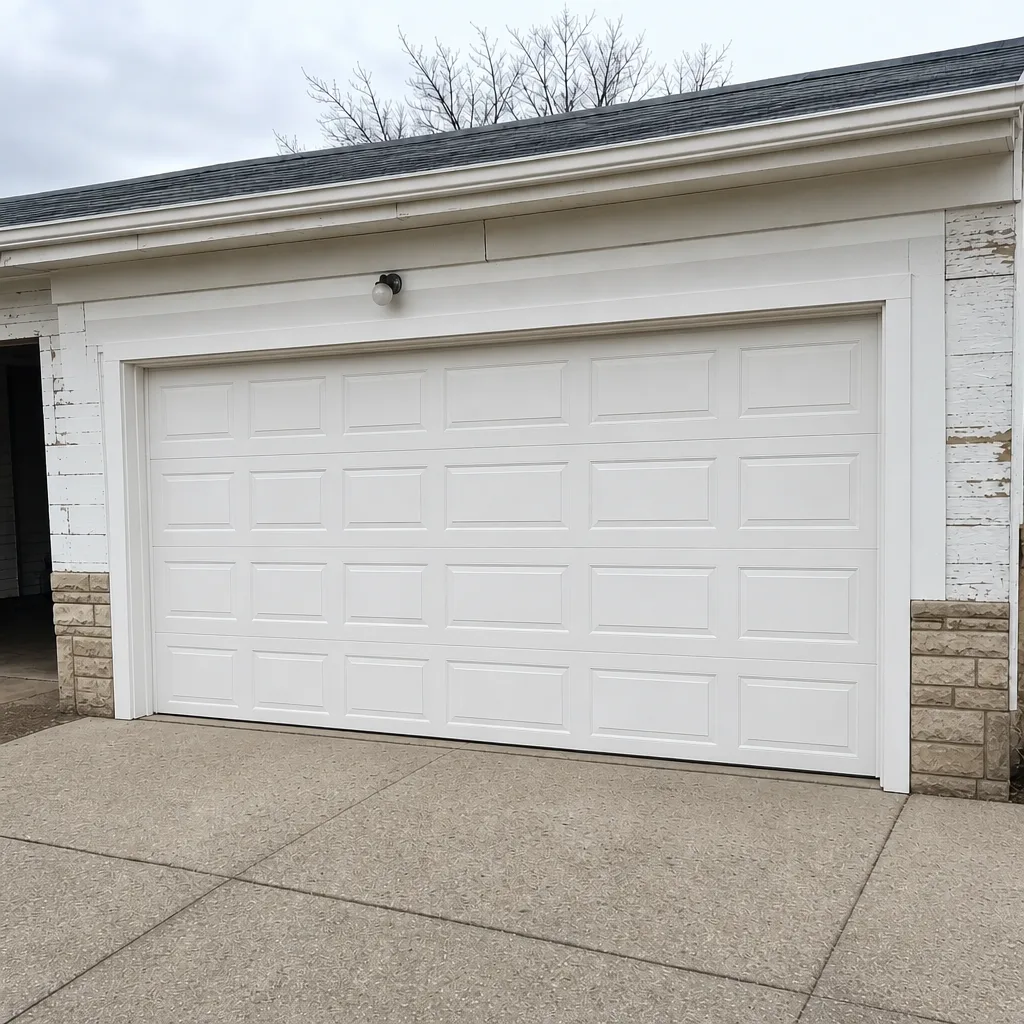 After
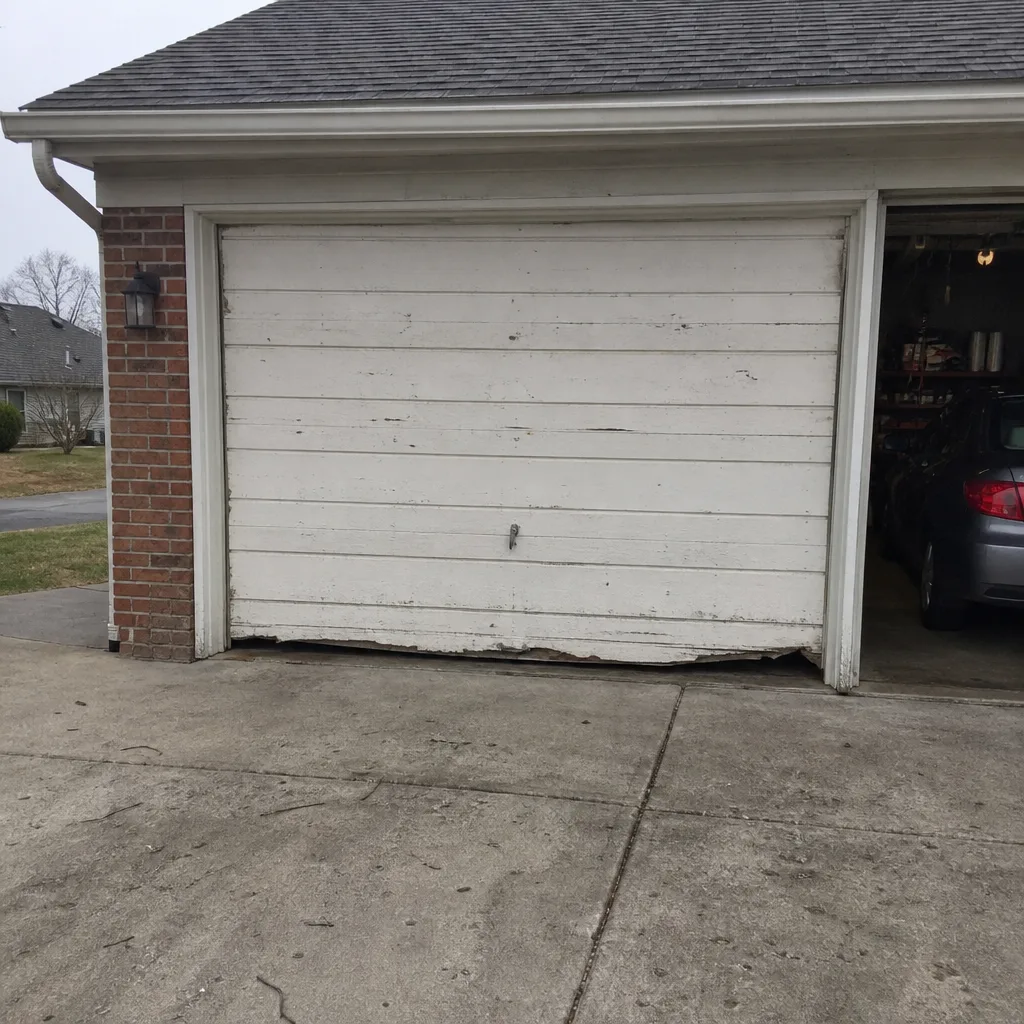 Before
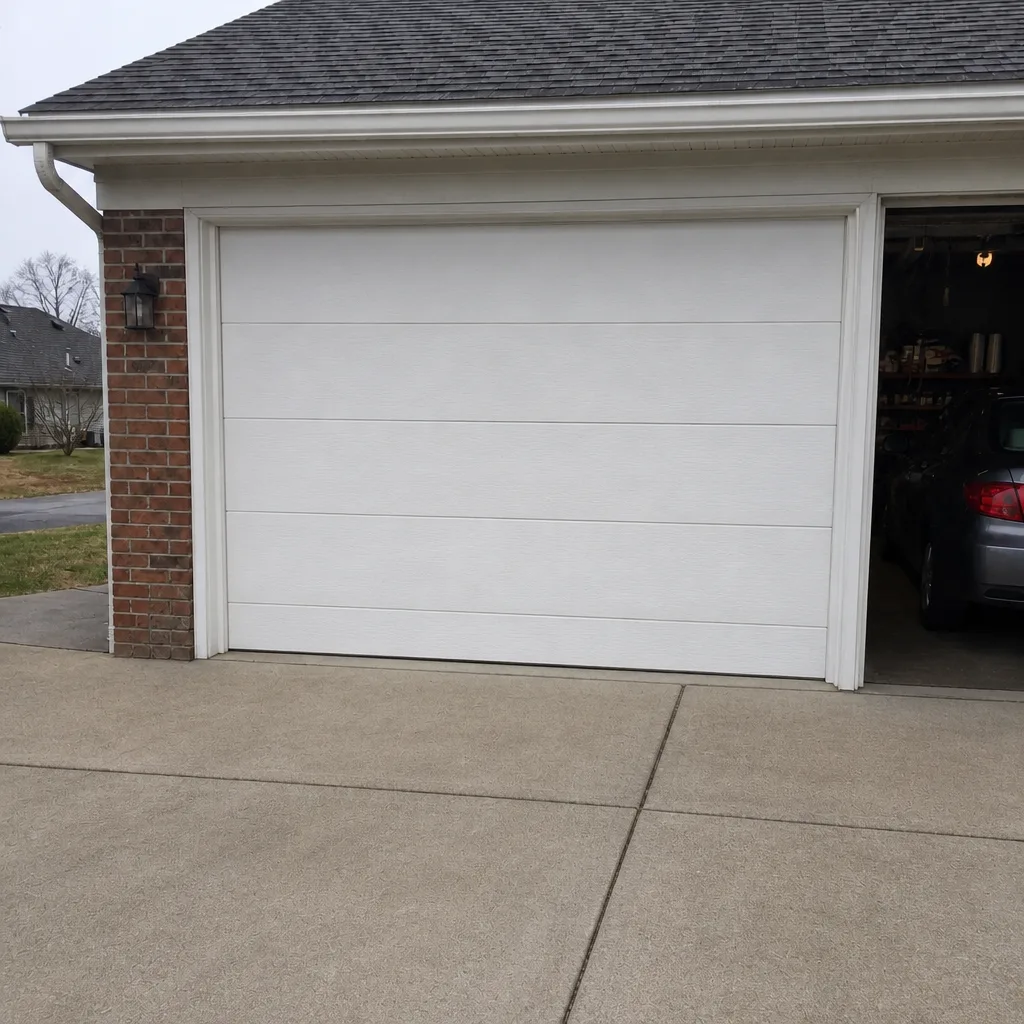 After
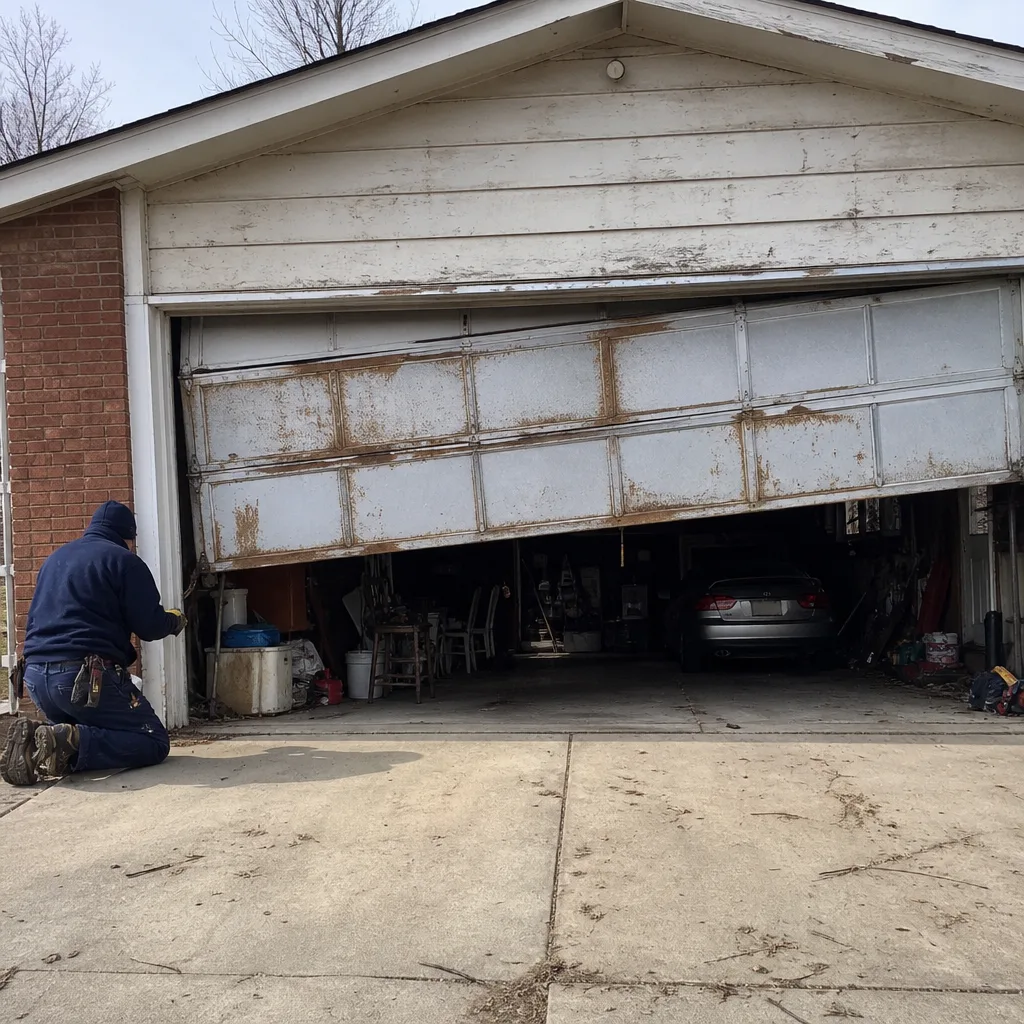 Before
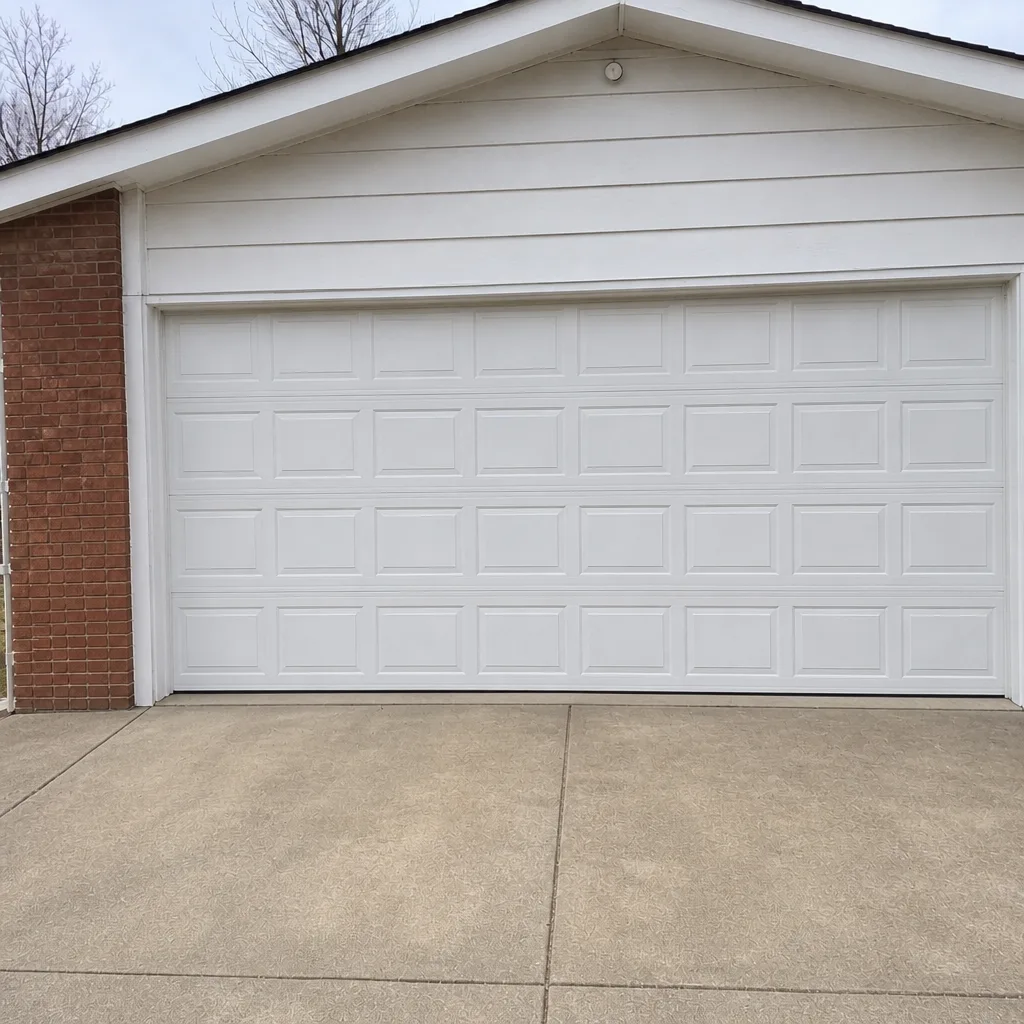 After
Common Mistakes to Avoid
- Using the wrong lubricant in cold weather. A spray that’s fine in summer can thicken below 20°F and make the door stiff. Use silicone or a low-temp-rated garage door lubricant.
- Trying to fix a spring yourself. Garage door springs are under extreme tension, and a mistake can cause serious injury. Tension adjustments and spring replacement should always be done by a trained professional.
- Ignoring the bottom seal through winter. A damaged seal lets in cold and moisture, and by spring the door’s bottom panel may already be damaged. Check it in fall and again after the thaw.
- Skipping the pre-freeze lubricating window. Waiting until the door is already noisy in January is too late; the damage is already underway.
- Over-greasing the tracks. This attracts dirt and makes the door run worse. Tracks should be clean and dry.
- Not testing the safety reverse. This feature exists to protect children and pets. Test it monthly.
- Assuming a door that looks fine is fine. A broken spring can sometimes fail to lift the door with a noticeably quieter snap, so listen for changes in sound and check the door’s balance by hand.
When to Call a Professional
Some maintenance you can handle yourself. Some tasks need a trained technician. Call us if you hear a loud snap from the garage, if the door lifts heavily or won’t balance, if you see a gap in a spring or rust on the hardware, if the door has come off its tracks, or if your opener’s safety reverse fails and won’t reset. We also handle the full range of parts, including opener components from LiftMaster, Chamberlain, Genie, and Craftsman. If you’ve been putting off a repair, getting it looked at now is usually less costly than waiting for a breakdown.
Garage Door Repair Eagle Creek offers free estimates in Eagle Creek. Call (844) 935-1938 and we’ll take a look at your door. We’re open Sunday through Friday, 7am to 7pm, and closed Saturday. Our technicians have up to 15 years of experience and work on all the major brands.
Frequently Asked Questions
Twice a year is the right schedule for most homes, with the most important application in late fall before the first freeze. A winter application matters more than a summer one because cold thickens lubricants and puts more stress on hinges and rollers. If your door is noisy by January, consider calling us for a free estimate before spring.
You can safely check whether your door is balanced by disconnecting the opener, lifting the door halfway, and letting it go; a balanced door stays put. You should never touch, adjust, or replace the spring itself. A door that won’t hold or feels much heavier than usual needs a professional check. Call (844) 935-1938 for an estimate.
Silicone spray or a garage-door-specific lubricant rated for low temperatures holds up best. General-purpose grease and petroleum sprays can thicken below 20°F. Apply lightly in late fall and avoid greasing the tracks. If you’re unsure which product suits your door’s hardware, we’re glad to advise, and an estimate is free.
Look for daylight under the closed door, a curl or flattening at the edges, and cracks on the underside. Check it before winter and again after the spring thaw, since frost heave can change how the door sits. If the seal is worn, we can help assess it; call (844) 935-1938 for a free estimate.
Yes; cold weather makes the door harder to lift, which puts more strain on the opener. If you hear grinding or hard starts in winter, have the opener checked before it fails completely. We service opener components for all major brands. Call us for a free estimate in Eagle Creek, and we’re open Sunday through Friday, 7am to 7pm, closed Saturday.
Yes. A good seal keeps out cold air, moisture, and pests, and protects the door’s bottom panel from damage. It’s one of the least expensive maintenance items with the biggest effect in Eagle Creek’s climate. Contact us at (844) 935-1938 for a no-cost estimate on seal replacement.
The Bottom Line
Proper garage door maintenance in Eagle Creek isn’t a long list of tasks; it’s the right tasks done at the right time. Time your lubricant before the freeze, check your bottom seal before winter and after the thaw, and test balance and safety reverse monthly. Those five steps prevent most failures, and the rest of the checklist helps you catch problems early. Our team at Garage Door Repair Eagle Creek is ready to help whenever the job calls for a professional, from spring repair to opener troubleshooting. Call (844) 935-1938 for a free estimate. We’re open Sunday through Friday, 7am to 7pm, and closed Saturday.
Written by the team at Garage Door Repair Eagle Creek.