Last updated November 20, 2026
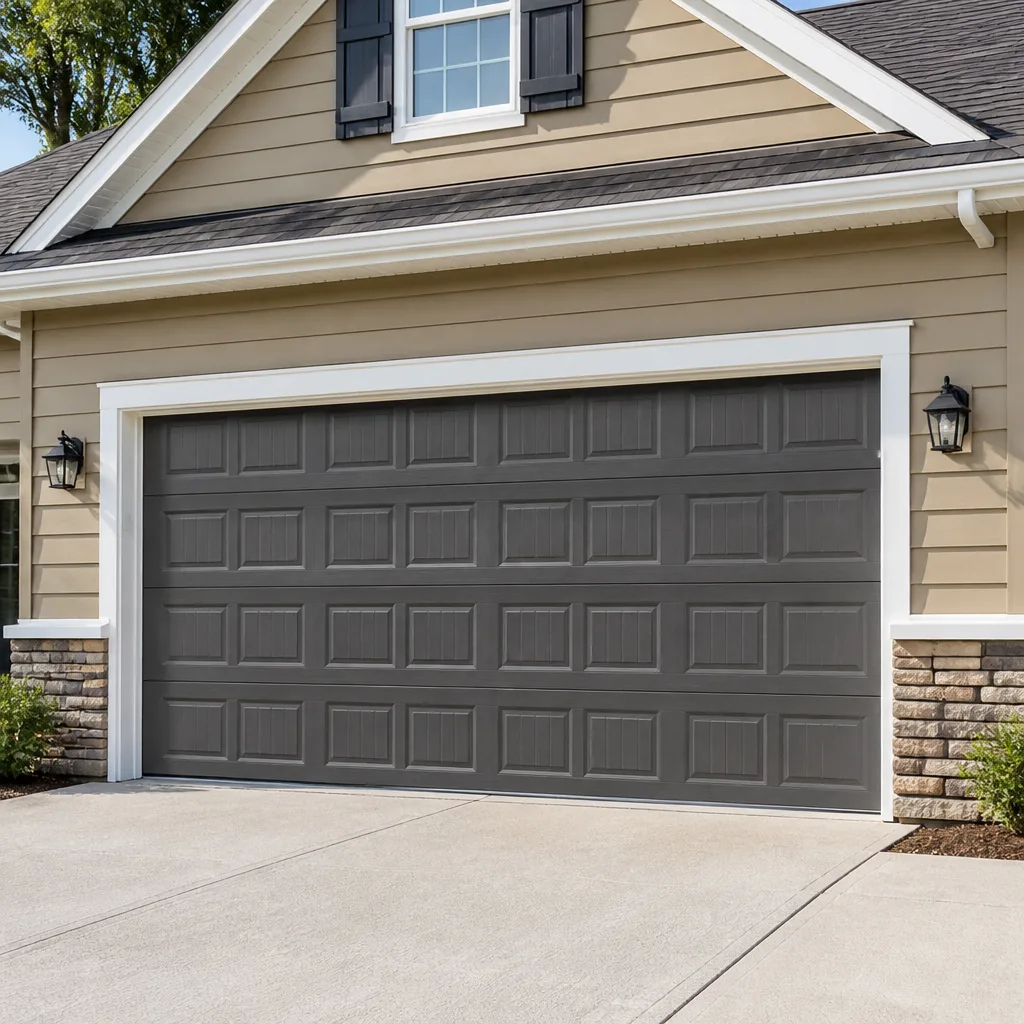 Raised-panel steel
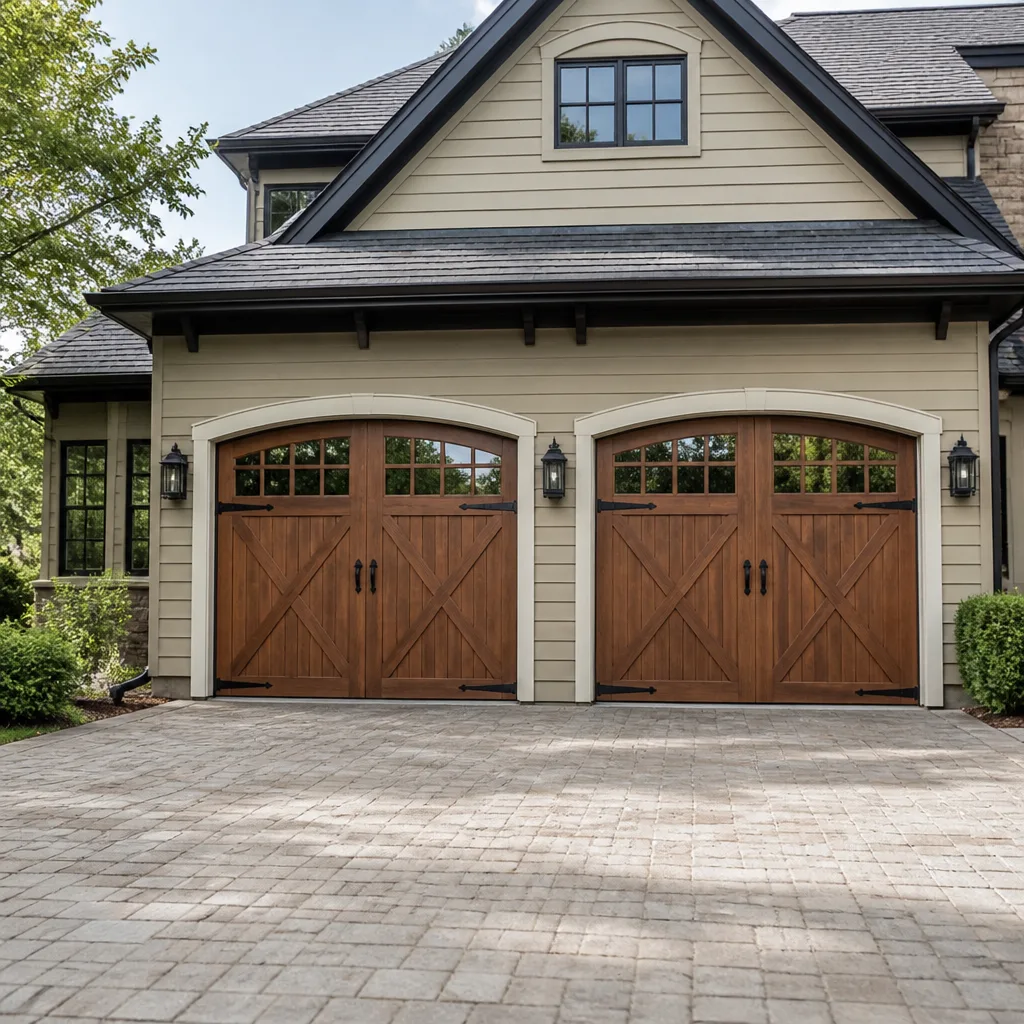 Carriage house
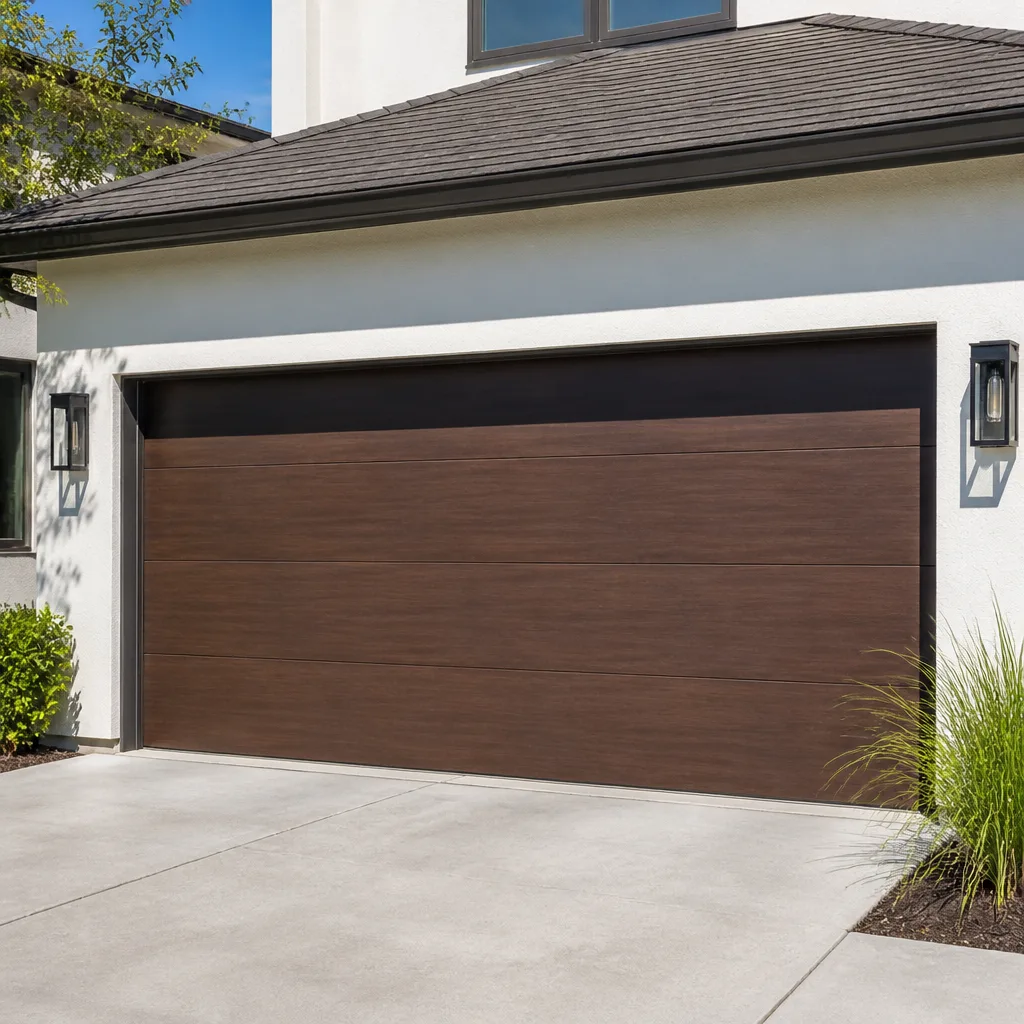 Modern flush
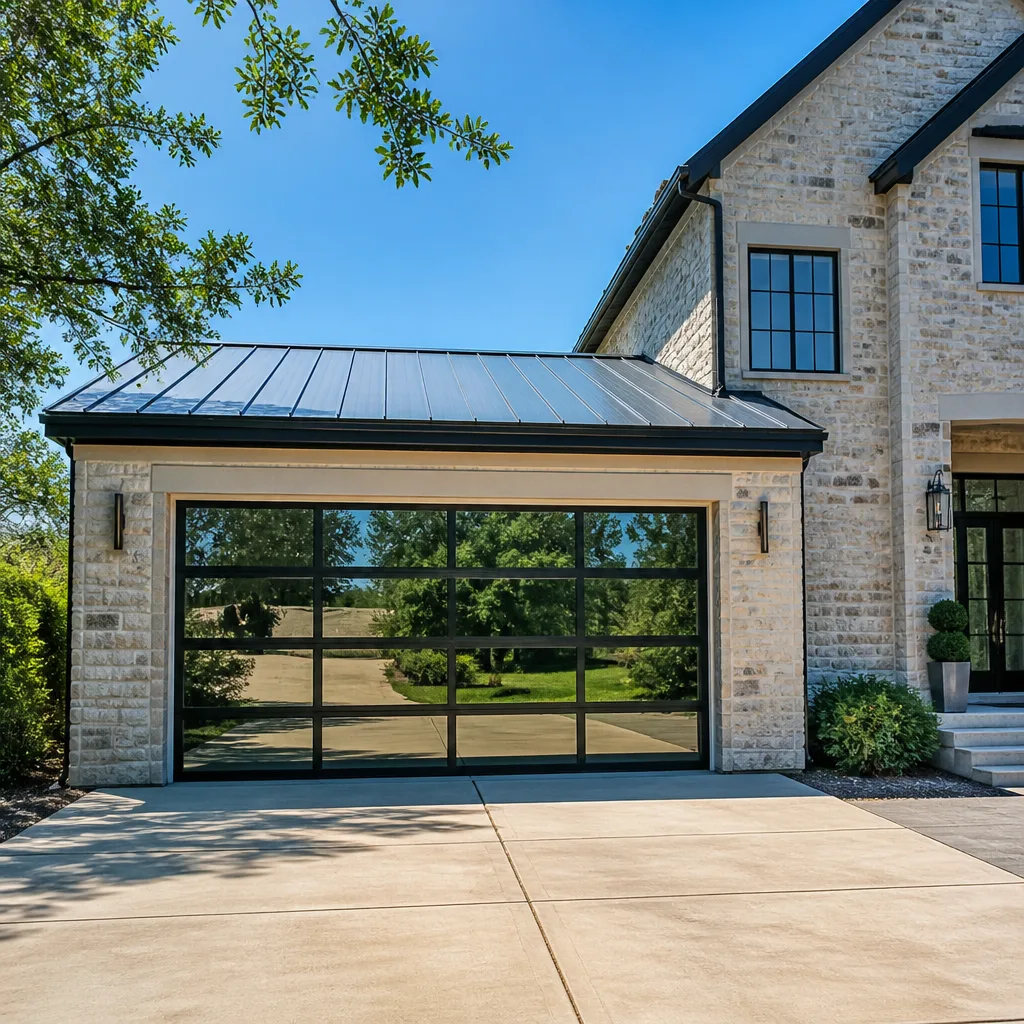 Full-view glass
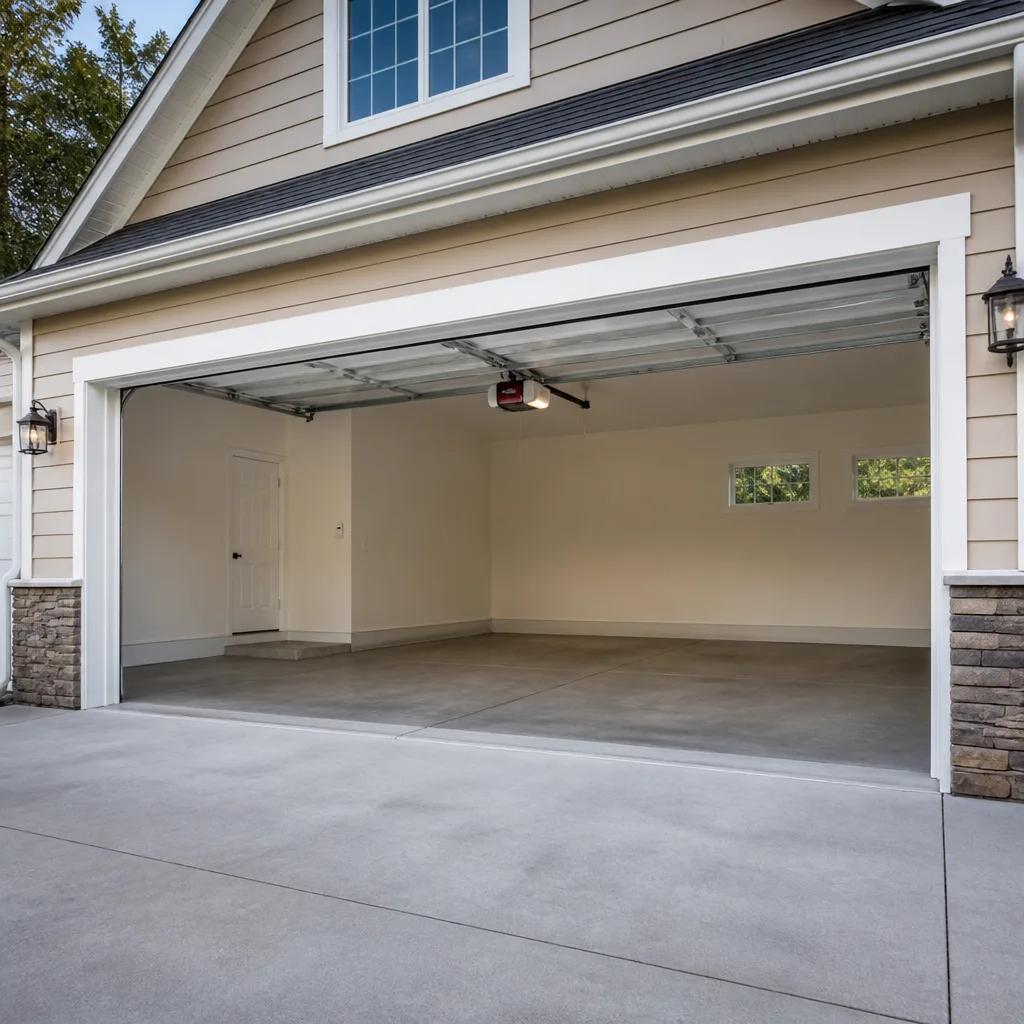 LiftMaster openers
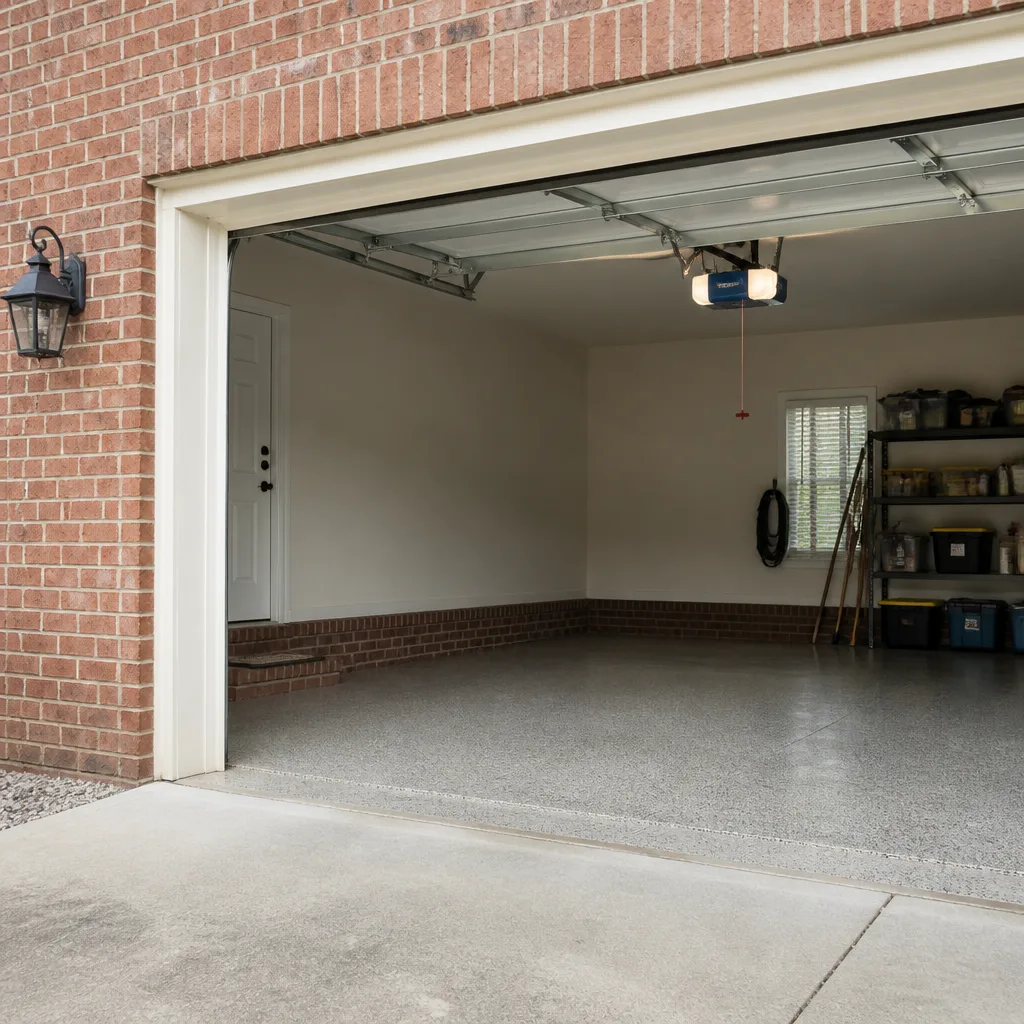 Chamberlain openers
Full 25-point door and opener safety check with every visit - springs, cables, rollers, tracks, and your LiftMaster or Chamberlain opener included
You get a price before we start. It does not change when the pro arrives.
Get your free estimateGarage Door Emergency Preparedness Guide for Eagle Creek Homes
Most homeowners think of a garage door failure as a repair problem. It’s really a readiness problem. The households that come through a power outage, a snapped spring, or a bumper against the door with the least disruption aren’t the ones with the newest doors – they’re the ones where more than one person knows what to do before anything goes wrong. A garage door is the largest moving object in your home, and it holds a hinge position between your family, your vehicles, and the street. This guide covers the three procedures every Eagle Creek household should be able to run without reading instructions off a phone: manual release, temporary securing after a spring failure, and the first steps after a vehicle impact. We’ll also cover battery backup openers that make Indiana power outages a non-event and how to build an emergency contact protocol the whole household can follow, not just the one person who did the research.
Quick Answer
Every Eagle Creek household should be able to do three things without looking anything up: pull the manual release cord correctly to disengage the opener, secure a door that won’t close after a spring failure without creating a break-in risk, and assess a door after a vehicle impact before anyone touches it. Battery backup openers from LiftMaster, Chamberlain, and Genie keep the door working through Indiana outages. Write the plan down, post it inside the garage, and walk every household member through it once a year – that single step turns most garage door emergencies into inconveniences.
Styles & brands we work with
- Raised-panel steel
- Carriage house
- Modern flush
- Full-view glass
- LiftMaster openers
- Chamberlain openers
Table of Contents
- How Do You Use the Manual Release Without Damaging the Opener?
- What Do You Do When a Spring Breaks and the Door Won’t Close?
- How Do You Handle a Garage Door During a Power Outage?
- What Should You Check After a Vehicle Hits the Garage Door?
- Do Battery Backup Openers Work in Indiana Temperatures?
- How Do You Build an Emergency Protocol Every Household Member Can Follow?
- What Monthly and Seasonal Checks Prevent Emergencies?
- When to Call a Professional
How Do You Use the Manual Release Without Damaging the Opener?
The manual release cord is a red or brightly colored handle hanging from the trolley on your opener rail. Pulling it disengages the carriage from the drive so you can lift the door by hand. The process is simple, but doing it out of sequence is where most damage happens.
The single most common mistake we see in Eagle Creek is pulling the release while the door is fully open. A torsion-spring door that’s open stores the most energy in the system, and releasing it there lets the door slam down hard on the carriage, the track, or whatever is underneath. Lift the door to about chest height first, hold it steady, and then pull the release. Here’s the full sequence:
- Close the door using the wall button or remote so the opener is at rest and the door is down.
- Pull the release cord straight down and slightly toward the door. You’ll hear the carriage click free from the drive belt or chain.
- Lift the door slowly by hand to about chest height. If it feels heavy or won’t hold, stop and prop it – don’t force it.
- Walk the door up and down a few inches at a time to check that it moves freely in the tracks before you commit to a full open.
- Re-engage the carriage by running the opener once so it travels back to meet the door, or by pulling the release cord toward the opener until it locks into the trolley.
Two more mistakes to avoid: don’t cut the release cord short because it dangles, and don’t leave it tied to anything. It needs to hang at a reachable height for every adult in the household. On Wayne Dalton and Raynor openers, check the carriage design – some need a slightly different re-engage motion than a standard LiftMaster rail. If the door won’t re-engage after several tries, that’s a sign the carriage is misaligned or the trolley is jammed, and a garage door repair call is faster than fighting it. If your opener is old enough that the release feels stiff or the carriage won’t grab, garage door opener repair can bring the mechanism back to where it should be.
What Do You Do When a Spring Breaks and the Door Won’t Close?
If a spring snaps while the door is up, the door becomes dangerously heavy and free-falling. Do not stand under it and do not try to pull it down by hand. The correct move is to leave the door where it is, clear the area, and secure the opening another way until the spring can be replaced. If the door is already down, your job is to keep it down.
Here’s what a spring failure looks like: a loud bang from the garage, the door hanging unevenly or half-open, and a torsion spring on the header with a visible gap or a stretched, separated coil. The door may still open an inch or two before you realize something is wrong. Stop there.
Securing the opening without creating a security gap
- Use a locking bar or a C-clamp on the track just above the bottom roller, so the door can’t be lifted from outside.
- Lower the door to the fully closed position if it’s safe to do so with two people, one on each side, and let it rest.
- Park a vehicle against the inside of the door only if the door is fully seated and the tracks look intact. This is a backup, not a primary fix.
- Remove the emergency release cord temptation – don’t let kids or visitors try to open the door after you’ve secured it.
What not to do
Don’t leave the door propped open “for just a minute” while you look for a repair company. In Eagle Creek, an open garage with no one watching is a standing invitation to walk in. Don’t try to lift the door with the opener – the openers in your home aren’t built to move a door with a broken spring, and you’ll strip the gear or burn out the motor. And don’t attempt a spring replacement yourself. Torsion springs under load store enormous energy, and a spring that lets go while you’re working on it causes serious injury. Spring repair is a job for a trained technician with the right winding bars and the right replacement spring for your door’s weight and height. That’s a service we handle as a dedicated job rather than a side task, and it’s why we carry the exact spring sizes for the brands that show up in Eagle Creek garages.
How Do You Handle a Garage Door During a Power Outage?
During an outage, the door is still fully usable by hand – the opener is just dead weight on the rail. Disengage the manual release, lift the door by hand to exit, and re-seat it by hand when you come back. The catch is remembering the door is now disconnected and that the opener won’t respond when the power returns until you re-engage the carriage. Indiana storms knock out power on a schedule of their own, and the outages that strand people are often the ones that hit after dark when the opener is the only thing they know how to work.
A few habits make power outages a non-event:
- Keep a flashlight or headlamp on a hook near the release cord. You’ll need light to see what you’re doing, and a phone flashlight ties up a hand you need for the door.
- Test the manual release once a year. Release the carriage, lift the door, re-engage it, and run the opener. If the release won’t budge, you want to find out on a calm afternoon, not in a storm.
- Keep the door closed overnight. A door left open in an outage is your biggest security risk.
- Know your opener’s model. Newer LiftMaster and Chamberlain units have battery backup and will keep working through outages; older openers won’t.
If your door feels unusually heavy during a manual lift, the spring may already be weak or broken – that’s a different situation, and the section above on spring failures is the right place to start. If the door is hard to move but the spring looks intact, the rollers or tracks may be binding. That’s a Garage Door Repair Eagle Creek visit, not a homeowner fix, because forcing a binding door damages the panels and the opener.
What Should You Check After a Vehicle Hits the Garage Door?
Stop the vehicle, leave the door alone, and look before you lift or open anything. A vehicle impact can bend panels, twist the track, and shift the door’s alignment on the hinges – and the door may be holding pressure against the frame in a way that lets it drop or swing when you pull on it. The first check is not “does the door open.” It’s “is the structure still sound enough to be near.”
Immediate assessment, in order
- Check for people. Make sure everyone in the vehicle and anyone in the garage is clear and uninjured.
- Look at the track on both sides. If a vertical or horizontal track is bent, kinked, or separated from the wall, don’t run the opener and don’t try to cycle the door.
- Inspect the panels for buckling. A creased panel is a sign the door’s structural integrity is compromised, and it may not travel evenly.
- Check the springs and cables. Impact can knock a cable off its drum or throw a spring out of its anchor. If either looks slack or loose, stop.
- Look at the header and opener rail. If the rail is bent or the opener bracket pulled loose from the ceiling, the drive system needs to be assessed before use.
- Test the door by hand, slowly, only after the checks above look clear. If it binds at any point, stop.
If the door is stuck in the open position after an impact, don’t leave it that way overnight. Secure the opening with a bar or clamp on the track as described earlier, and call for an assessment. If the door is closed and the frame is intact, you can usually wait for a scheduled visit. If the door is derailed, bent to the point it won’t close, or the opener has pulled loose, that’s the moment to call a professional, not the next morning. Vehicle impact is one of the few garage door emergencies that’s genuinely time-sensitive, and a bent door that isn’t repaired can damage the opener and the rest of the door every time someone tries to run it.
Do Battery Backup Openers Work in Indiana Temperatures?
Yes – a properly installed battery backup opener handles Indiana’s temperature swings without trouble. The ones that fail are usually older battery types (lead-acid) that have sat unused for years, not the newer lithium-iron-phosphate units in modern LiftMaster, Chamberlain, and Genie openers. If you replace an older unit with a backup-capable one, the difference during a multi-day outage is the difference between a working door and a manual release you have to remember at 2 a.m.
What to look for in a battery backup unit:
- Lithium-iron-phosphate (LiFePO4) battery rather than lead-acid. LiFePO4 holds charge longer, tolerates cold better, and doesn’t need to be replaced as often.
- Enough cycles to be useful. A backup that gives you 20 open/close cycles is fine for getting in and out during an outage; one that gives you two is not.
- Compatibility with your safety sensors. Backup units still need working photo-eye sensors, and some older sensor sets won’t pair with newer openers.
- Smart features if you want them. LiftMaster’s myQ and Chamberlain’s MyQ let you see door status from your phone, which is useful during an outage because you’ll know whether someone left the door open.
Temperature matters most for the battery, not the motor. Indiana winter mornings that dip into the single digits are hard on a lead-acid battery, and a battery that hasn’t been cycled in two years may not have the cold-cranking capacity to lift the door even once. Test the backup once a season by unplugging the opener, running the door, and plugging it back in. If the door won’t move on battery, the battery needs replacing. If you’re not sure your current opener supports a backup battery at all, we can tell you when we’re out on a call. A new opener is also a good moment to talk about the rest of the system – garage door installation is a service we handle from opener to door panel, so the whole system travels together and you’re not matching a new opener to an old door.
How Do You Build an Emergency Protocol Every Household Member Can Follow?
Write it down, post it inside the garage, and walk everyone through it once a year. The protocol doesn’t need to be long. It needs to answer four questions: who do I call, what do I do first, what do I not touch, and how do I secure the opening until help arrives. Every household member old enough to be home alone should be able to answer all four without looking.
What goes in the protocol
- One phone number at the top. Ours is (844) 935-1938. Put it on the page in writing and save it in every household phone.
- The manual release steps in plain language, from the section above. Written out, not abbreviated.
- A spring-failure section covering what a broken spring sounds and looks like, and the “leave the door alone, secure the opening” rule.
- A power-outage section with the flashlight location and the reminder to re-engage the carriage before running the opener.
- A “do not” list. Don’t stand under a heavy door. Don’t try to open a door with a broken spring. Don’t leave the garage open overnight. Don’t pull the release with the door fully open.
- The vehicle impact checklist from the section above.
Review the protocol with everyone once a year, ideally when you’re already doing a spring and fall home check. If you have kids in the house, walk them through the manual release with the power on and the door closed, so they’ve seen the motion before. Post the sheet in a plastic sleeve near the release cord. If a guest or a new housemate moves in, add them to the walkthrough. The goal is that when something goes wrong at 9 p.m. in Eagle Creek, the person who’s home isn’t the only one who knows what to do, and the first action isn’t “let me search for the right way to do this.”
What Monthly and Seasonal Checks Prevent Emergencies?
Ten minutes a month and a longer check when the seasons turn will catch most of the failures that turn into emergencies. The monthly check is about the door’s movement and safety systems. The seasonal check is about the parts that wear – springs, cables, rollers, and the opener’s battery.
Monthly, ten minutes
- Test the safety sensors. Put an object in the door’s path and confirm the door reverses. Do this while the door closes, not after.
- Look at the door’s balance. Disengage the opener, lift the door halfway, and let go. It should hold. If it drifts down, the spring is losing tension.
- Listen. Grinding, popping, or a rhythmic thump that wasn’t there last month is worth a look.
- Check the tracks. Run a hand along the inside of the track on both sides and feel for dents or debris.
Seasonal, before summer and before winter
- Lubricate the moving parts with a garage-door-rated lubricant, not household oil. Rollers, hinges, and the torsion bar ends are the usual spots.
- Test the opener’s backup battery if you have one, as described above.
- Look at the springs and cables – a spring that’s stretched, gapped, or showing rust streaks is closer to failure than a clean one.
- Tighten the bolts on the hinges and the opener bracket. Vibration loosens them over time and a loose bracket shifts the door’s travel.
In Eagle Creek, the seasonal check matters twice as much in spring and fall because that’s when the temperature swings the most. A door that works fine in July can bind in January as the metal contracts, and the failures that catch people out are usually the ones that start with a small symptom months earlier. If something fails the monthly check twice in a row, don’t wait for it to fail for real – garage door repair can catch it before it becomes a weekend problem. Parts availability is part of what makes that work; we’d rather replace the right spring or roller the first time than send you back to wait on an order.
Common Mistakes to Avoid
- Pulling the manual release with the door fully open. The door stores the most energy there, and the carriage takes the impact when it drops. Release at chest height instead.
- Leaving a door propped open after a spring failure. An open garage overnight in Eagle Creek is a security risk on top of a repair problem. Secure the opening and keep the door down.
- Trying to lift a door with a broken spring using the opener. The opener isn’t designed to move a door without spring assist, and it will strip gears or burn out the motor trying.
- Pulling on a door after a vehicle impact without checking the track first. A bent track can let the door drop or swing when it’s disturbed, so inspect before you test.
- Relying on a lead-acid backup battery that hasn’t been cycled in a year. A battery that worked two winters ago may not have enough capacity to lift the door once it’s cold.
- Keeping the emergency plan in one person’s head. If only one household member knows the release procedure, the whole house is dependent on that one person being home.
- Skipping the seasonal check because the door “seems fine.” Most spring and cable failures give warning signs months ahead, and the seasonal check is where you see them.
When to Call a Professional
Call a professional when the problem involves a spring, a cable, or anything that requires the door to come off the track. A snapped torsion spring, a door that won’t close and won’t stay down, a cable that’s off its drum, a derailed door, a vehicle impact with bent track or panels, or an opener that won’t respond after a battery test – those are calls, not projects. Springs and cables store enough energy to injure someone who isn’t trained, and an unbalanced door can damage the opener and itself every time it cycles. If you’re not sure whether something is an emergency, call and describe it; the answer usually takes a minute. Garage Door Repair Eagle Creek offers free estimates in Eagle Creek – call (844) 935-1938. We work on the brands that are actually installed in Eagle Creek garages, from LiftMaster and Chamberlain openers to Wayne Dalton and Raynor doors, and our technicians have up to 15 years of experience on them.
Frequently Asked Questions
Yes. Pull the manual release cord to disengage the carriage from the opener, then lift the door by hand. Lift it to about chest height first before pulling the release, and re-engage the carriage before running the opener once power returns.
Stay out from under the door, don’t try to pull it down by hand, and secure the opening with a bar or clamp on the track. A door with a broken spring is dangerously heavy, and the repair needs a trained technician with the right spring size and winding tools. Call (844) 935-1938 for an estimate.
Not until the track and panels have been checked. A bent track or buckled panel can let the door drop or swing when it’s disturbed. If the track is kinked, the door is derailed, or the opener bracket has pulled loose, leave it alone and call for an assessment.
Yes, when they’re the right type and the battery is healthy. Lithium-iron-phosphate batteries handle cold better than lead-acid, and testing the backup once a season confirms it will actually lift the door when you need it. If your opener doesn’t support a backup battery, a replacement is the fix.
Once a year at minimum, and ideally every time you do the seasonal check. Test it with the door closed, lift the door to confirm it moves freely, then re-engage and run the opener. If the release won’t budge or the carriage won’t re-engage, that’s a repair call.
Most emergency repairs fall in a range rather than a single price – a spring replacement, a cable, or a track repair each has its own typical cost, and the written estimate you receive before any work starts is the final number. We quote the job in writing first, and there’s no charge for the estimate. Call (844) 935-1938 for an exact quote.
The Bottom Line
Garage door emergencies are almost always manageable when the household is ready for them, and almost never manageable when only one person knows what to do. The three procedures in this guide – the manual release done in the right order, securing an opening after a spring failure, and the assessment steps after a vehicle impact – cover the situations that turn into calls most often. Add a battery backup opener, a posted protocol, and a ten-minute monthly check, and the odds of a bad night drop sharply. If something goes wrong anyway, the estimate is free, and our technicians have up to 15 years of experience on the brands in Eagle Creek garages. Call (844) 935-1938.
Written by the team at Garage Door Repair Eagle Creek.
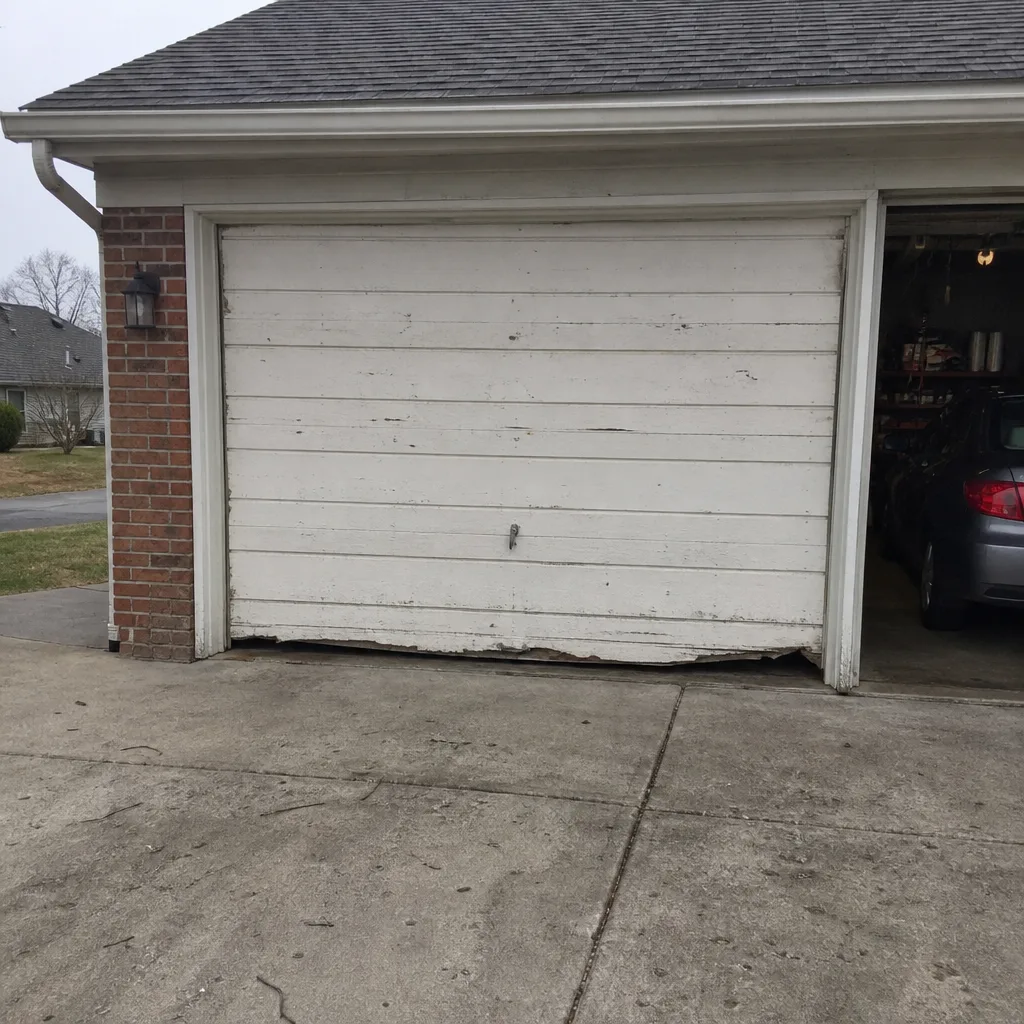
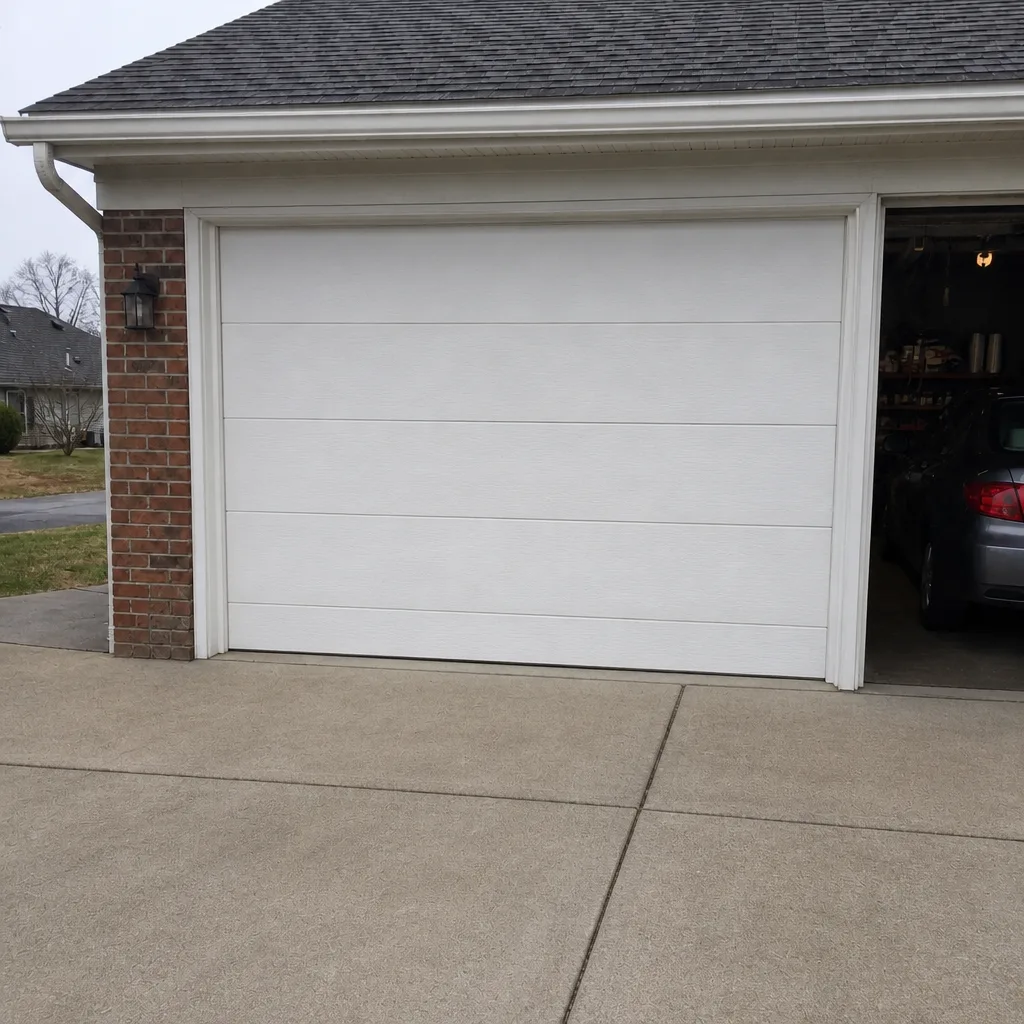
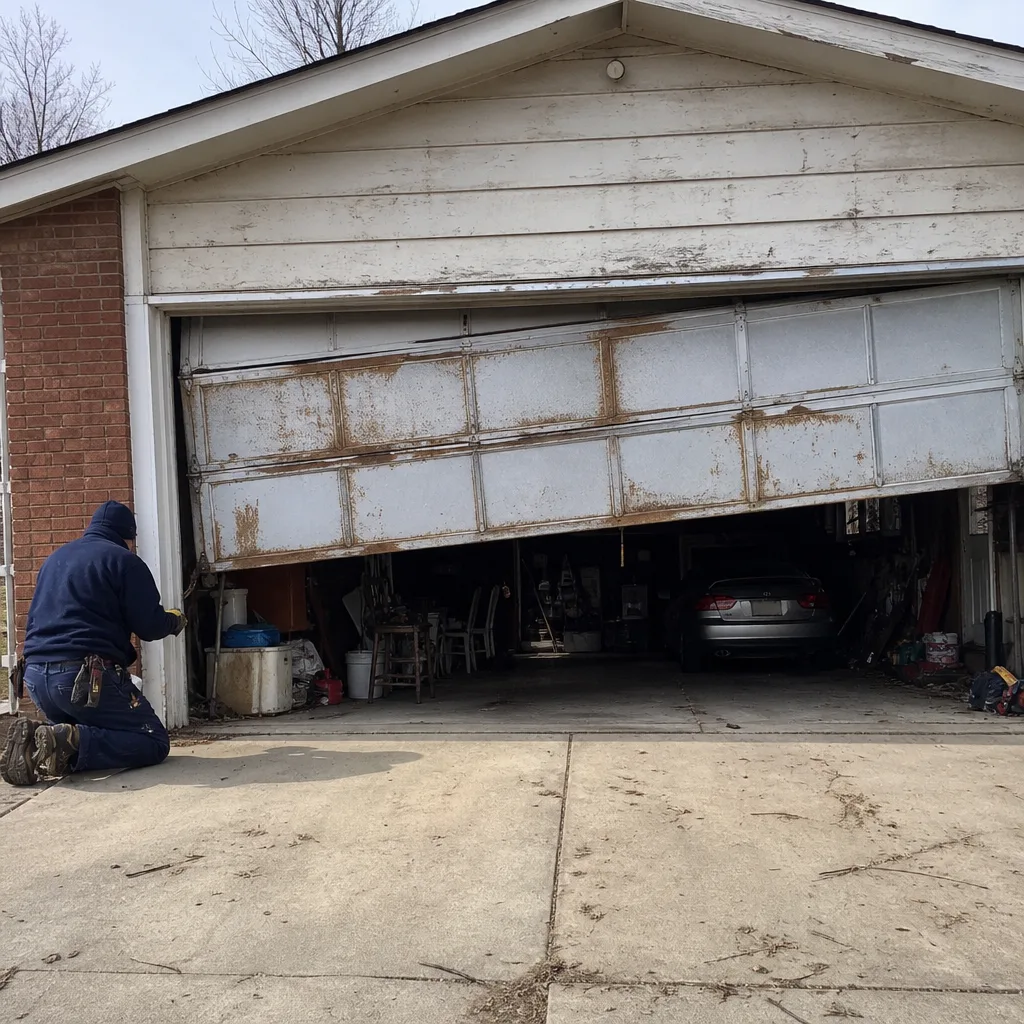
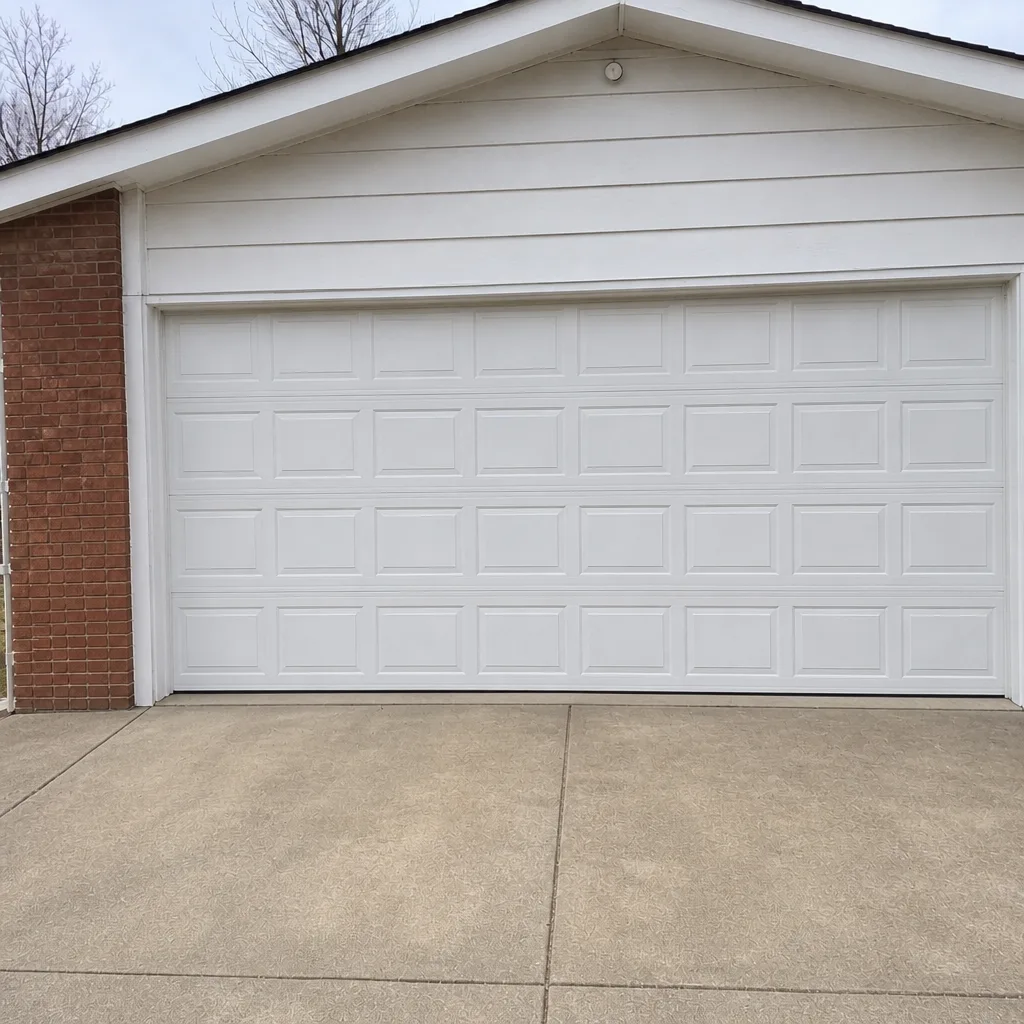
See the difference
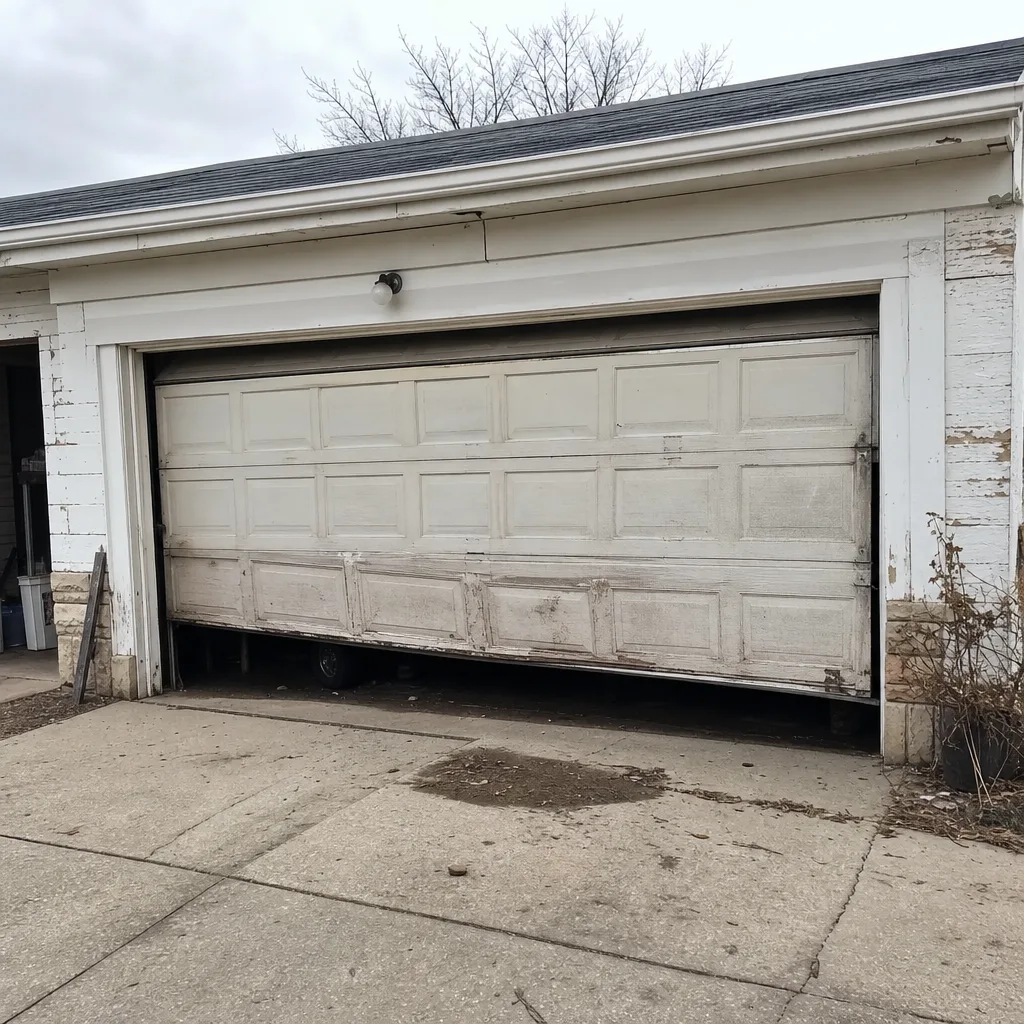 Before
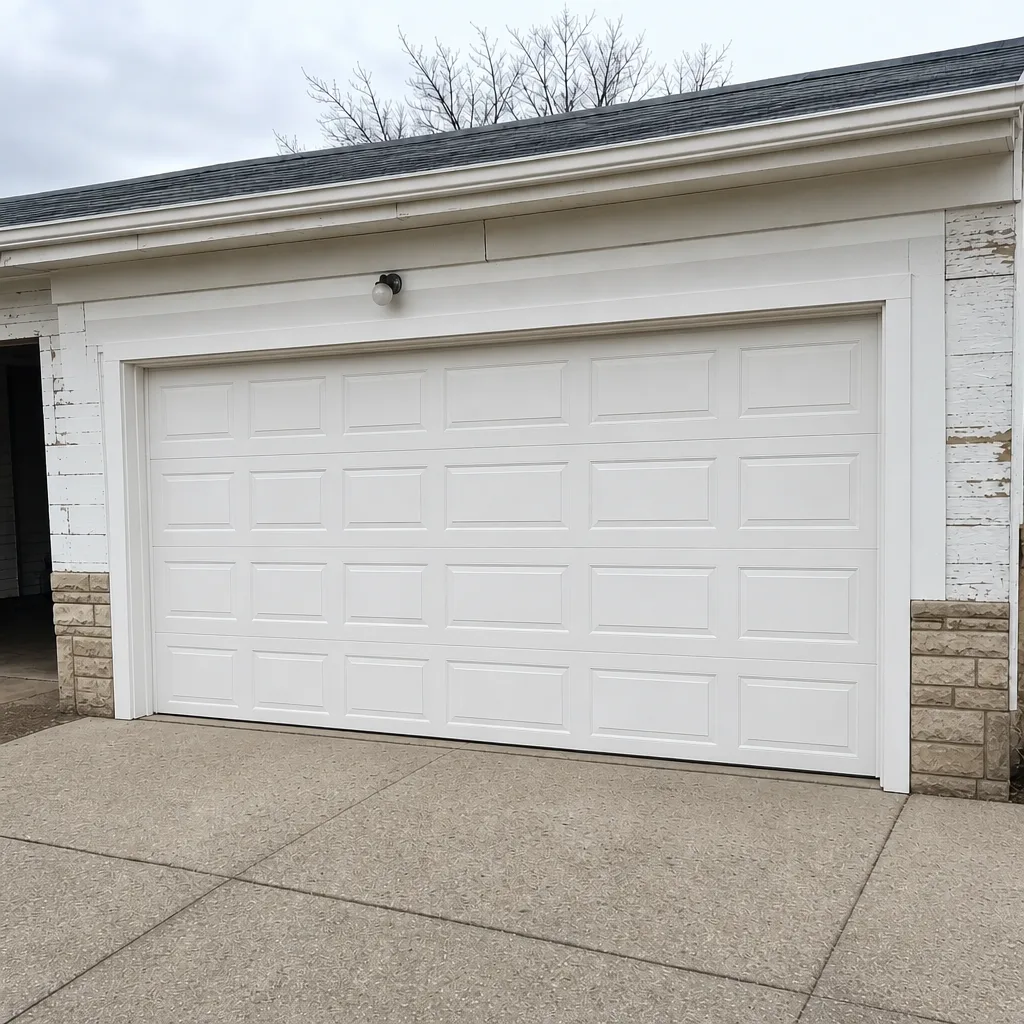 After
 Before
 After
 Before
 After